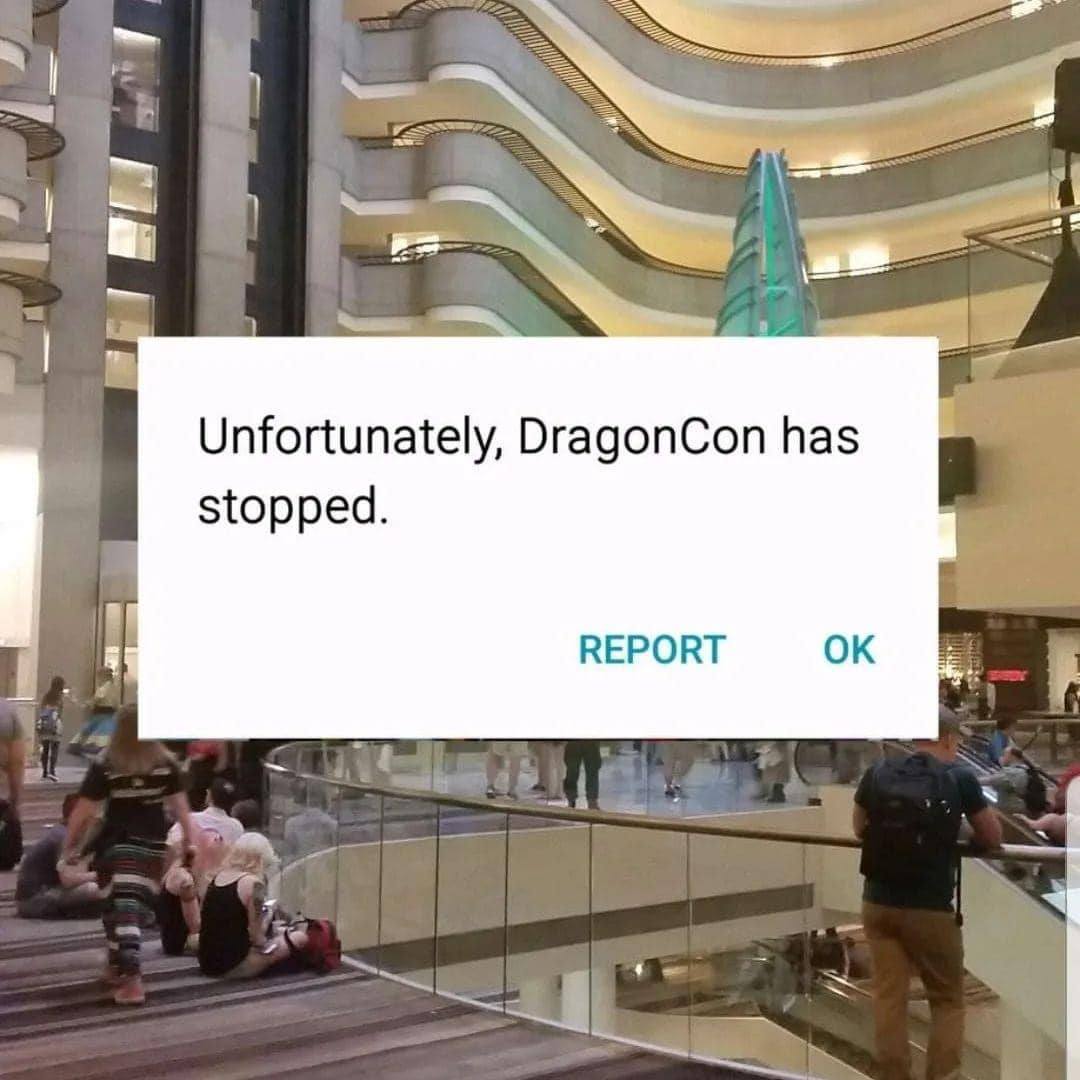
Culture on My Mind Narrative Diversions (Summer 2026 Edition) October 12, 2026
Narrative Diversions is a look at the various pop culture things I’ve been watching, reading, and playing over the last few months. This edition covers July 2026 through September 2026.
Movies
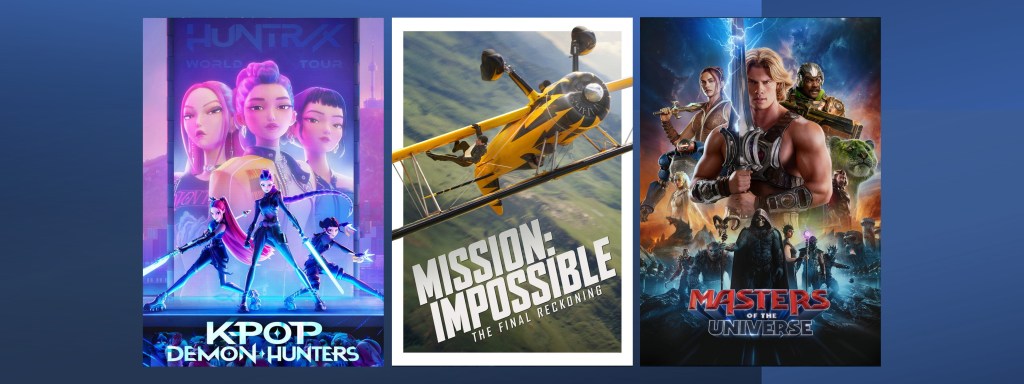
KPop Demon Hunters (2025) – PG [Netflix] This was originally a Sony Pictures Animation project, but they passed on because they didn’t thing a full Asian cast and a deeply Korean cultural focus mixed with K-pop themed demon hunting would sell to general audiences. Since the COVID-19 pandemic had Hollywood paralyzed by uncertainty, they sold it to Netflix.
In retrospect, big mistake.
This movie was off-the-wall fun but amazing from animation and story to music and impact. I was engaged for the entire 95 minute runtime and loved picking through the themes as it played. The animation is gorgeous (akin to the recent Sony Spider-Man films) and the songs are easy earworms. And this comes from someone who doesn’t gel with anime.
Mission: Impossible – The Final Reckoning (2025) – PG-13 Considering this is really “part 2” to the previous film, Mission: Impossible – Dead Reckoning, it’s hard to judge this one on its own merits. This one was three hours long, just like its predecessor, making the final impossible mission nearly six hours long.
I’m going to miss this franchise, but I’m glad it’s over. This installment was fun but (like its predecessor) was too long and too complex, and the stakes kept ratcheting up because it seems we always need hyperbolically high risk to the planet/galaxy/universe these days. I’d like the franchise to continue with a new IMF team with more grounded missions similar to the classic television series.
Masters of the Universe (2026) – PG-13 Except for a couple of episodes here and there, I didn’t watch the 1980s animated series. However, I can see that this adaptation was written as a two-and-a-half hour overly-long episode geared towards the Gen-Xers who loved the show.
It was entertaining enough, but the humor and pacing started to wear on me about the 90-minute mark. Still, I get my Cringer/Battle-Cat fix. I have always loved that cat! The 1980s Skeletor was deliberately over-acted, but somehow Jared Leto ramped that up to ludicrous levels. He’s definitely a huge weakness in this movie.
Meanwhile, He-Man/Adam gets a fair share of character here, far more than he had in the original series. It also reinforces my belief – especially after the recent Netflix animated shows Revelation and Revolution – that Teela is the most interesting Master of the Universe.
I might watch a sequel if they pay off the post-credits stinger, but if they don’t make another one I’ll be okay without it.
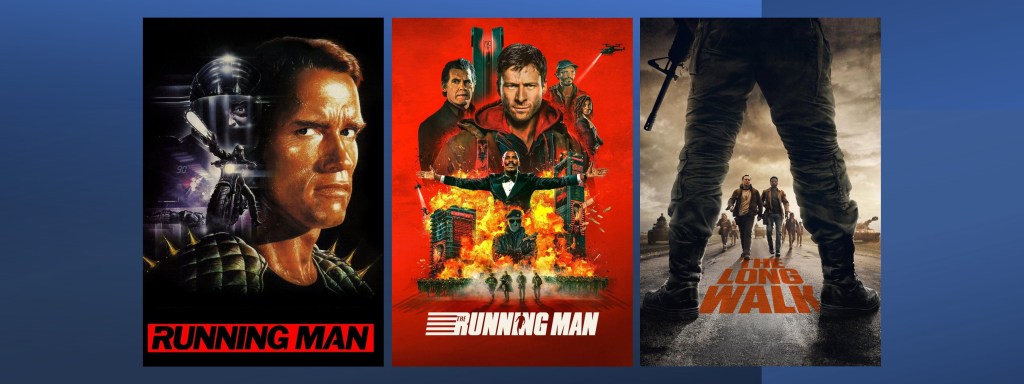
The Running Man (1987) – R The Running Man (2025) – R Before watching the remake, I decided to finally dive in to the original movie. I had seen parts of this over the years, but not the full thing cover to cover. I understand that it is a very liberal interpretation of the source material, and while it worked for the time, it’s more of a comedy than thriller now. This is primarily due to Arnold Schwarzenegger’s need for cheesy one-liners and the supervillain-esque cameos. It’s a ridiculous cornball film.
The second one takes a more serious approach because of how the “hero” comes to the game show. The motivations are a bit more believable because they’re more personal, but this version also has significant flaws. The ending is anti-climactic and almost incomplete, and the main character doesn’t feel redeeming to me. His major trait is “I’m angry!” and the script feels the need to remind the audience all too often. We get it, you’re pissed.
All said, the first one is cheeseball fun and the second is a mirror on our current condition, but neither is particularly memorable.
The Long Walk (2025) – R Finishing this Stephen King trifecta, The Long Walk is set in a dystopian 1970s America where 50 boys participate in an annual televised walking contest to motivate the country. The winner receives a large cash prize and a single wish fulfilled. The losers die. Seriously, if these kids walk too slowly or stop, they are shot.
Mark Hamill does his best to bring the Major, the kinda-sorta villain of this piece to life, but the character is one-dimensional. We also don’t get much character development over the short 108 minute run time, so it’s hard to care about any of these kids aside from the revulsion of watching them get brutally massacred.
We’re supposed to care about the ending, but it’s not satisfying because none of the characters have really been fleshed out enough to make an impression. The ending is also implausible because the winner would have been shot dead after what he does with his wish.
The alternate ending wasn’t much better.
I might try reading the novel at some point to see if it’s any better.
Television
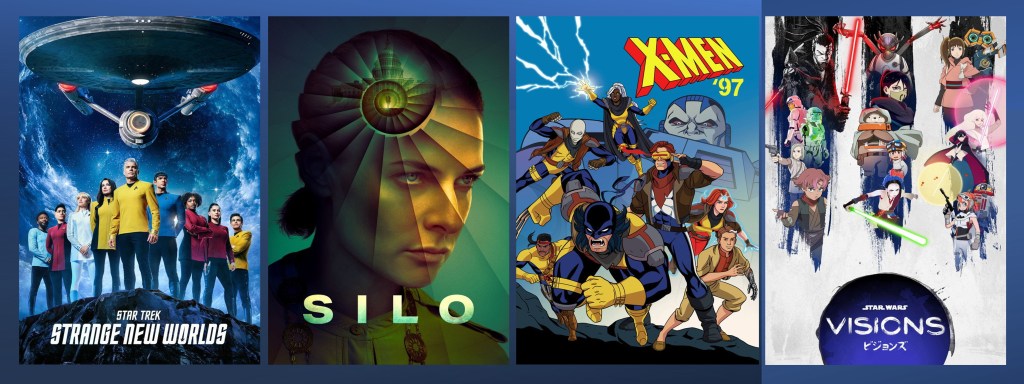
Star Trek: Strange New Worlds – Season 4 [Paramount+] This season was a tough one to consider. It did have a lot of character development underneath the gimmick plot contrivances, but the writing did not feel cohesive across the season. In fact, as others have stated, it came across as a What If? of Star Trek instead of writing a good story first before setting it in a whimsical or odd scenario. The season was uneven with a few bright “This is Star Trek!” moments, but it’s sad to see other things missing the mark so widely.
When I say it had a lot of character development, that was also only done half way. The prime example is Number One, who had mere minutes of screen time over ten episodes. I’m still enjoying the show, but I worry about the final (short) season and how it will cohesively wrap this era of Trek. Especially since this and Starfleet Academy are all we have left of the franchise for the foreseeable future.
Silo – Season 3 [Apple TV] Season Two of this show was such a mixed bag, so it was great to see various plot lines finally threading together in Season Three. While the intrigue of Silo 18 is fascinating, I’m much more interested in what we learn about the time before the show and the mysterious AI behind the program. I’m eager to see where Season Four takes this story and how it wraps everything up.
X-Men ’97 – Season 2 [Disney+] This season was brutal. Not in terms of quality or story, but in terms of the characters. No one was safe, and every loss was heartbreaking, but the overall story was pretty well crafted and engaging. There are at least two more seasons to go, and depending on how those go there may be plans for more.
Star Wars: Visions – Season 3 [Disney+] This was another good crop of anime shorts in the Star Wars universe. I like the fact that these aren’t in the regular continuity so they’re free to go wherever they feel the need. They’re just fun short stories with an anime flair.
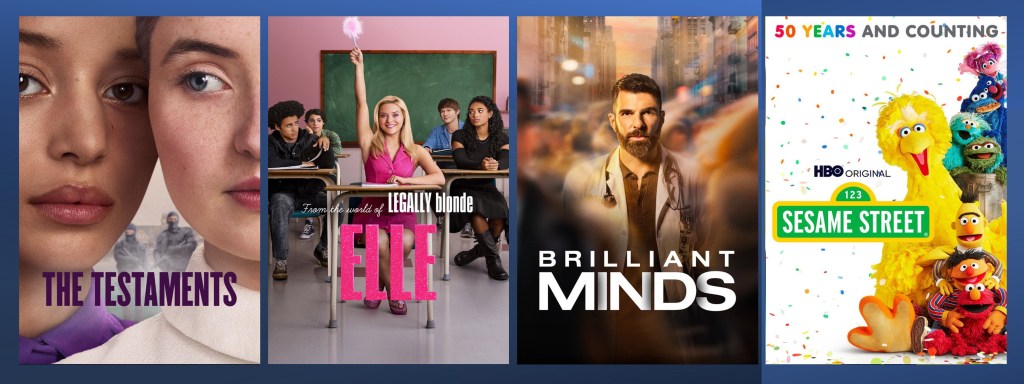
The Testaments – Season 1 [Hulu] The return to the world of The Handmaid’s Tale felt fresh and bright… well, as fresh and bright as this dystopian future can be. But it thrives under the ability to develop a story without the baggage of the original series. It tells you everything you need to know about returning characters and scenarios, so it has room to breathe and chart its own course. The second season is in production now.
Elle – Season 1 [Amazon Prime] I was skeptical about this prequel to Legally Blonde, but after the first episode it was clear that Lexi Minetree was born to play Elle Woods. This well-crafted story moves Elle away from her footing in California for the drab overcast of Seattle. The bright pinks clash with the 1995 punk scene, but Elle eventually finds her place. Season Two should arrive some time in 2027 and I’m looking forward to it.
Brilliant Minds – Season 2 This show was (pardon the pun) brilliant during its first season, but it fell flat with the simultaneous revenge and asylum storylines. The revenge side ran far too long and became tiring. The asylum story committed the sin of constantly flashing forward and trying to tease what was coming, but the payoff was lackluster and boring. The show took a long hiatus from February to May, only coming back to burn off the remaining episodes after the series was cancelled, and the ending was not satisfying. It’s sad to see a show like this fall so fast.
Sesame Street: 50th Anniversary Celebration (2019) I know I’m several years behind the curve here, but I finally found this on my radar. I loved Sesame Street as a kid and still believe in its mission. This ended up being a “greatest hits” of those memories and a beautiful celebration of one of the best in educational television.
Books
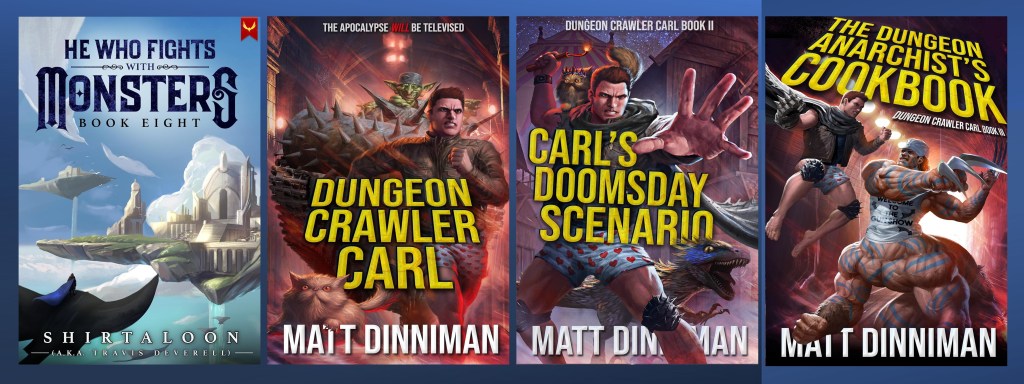
He Who Fights with Monsters: Book Eight – Shirtaloon (Travis Deverell) This book continued the adventure of Jason with his friends on the island chain. It seems to be wrapping up one storyline and setting the stage for another. I’ll be happy to get back to it after a break.
Dungeon Crawler Carl – Matt Dinniman Carl’s Doomsday Scenario – Matt Dinniman The Dungeon Anarchist’s Cookbook – Matt Dinniman After a series of recommendation from friends, I decided to give this series of books a try. It’s LitRPG just like He Who Fights with Monsters, but it has a vastly different style. In short, aliens descend on Earth and loot it for resources. They also televise a galactic fight to the death with humanity in a series of table-top RPG style dungeons.
It’s entertaining enough, but the series has a problem: The characters and setting don’t set the hook and become engaging until the end of Book Three. I was promised the stories get better, but if my friends hadn’t promised, I would have dumped this after Book One. In television terms, I don’t keep watching through Season Three to hope the show finally clicks. This hasn’t become a page-turner for me yet, and I find myself looking up plot points to see if I want to keep investing my time or move on to the rest of my “to read” pile. We’ll see where Book Four goes and if it can capitalize on the promises made that piqued my interest at the end of Book Three.
Stage
Monty Python’s Spamalot – Broadway in Atlanta
We finished this season of Broadway in Atlanta with Spamalot, which was hilarious. I’m a big fan of Monty Python and the Holy Grail and this was a great adaptation and reinterpretation of that zaniness. My wife has never liked the 1975 movie but found this version quite enjoyable. I had been waiting for a while to see this and it was worth it.
Games
None. I haven’t had a lot of spare time for video games lately. Related to that, though, my brother Nick is streaming periodically on Twitch if you want to take a look.
The next iteration will at least take us through the last quarter of 2026. I want to see Avengers: Doomsday in theaters, and maybe catch the new Hunger Games and Jumanji movies as well. By then, we’ll have seen Buena Vista Social Club, Death Becomes Her, and Mrs. Doubtfire through Broadway in Atlanta. I also need to catch up on Thunderbolts and the new Spider-Man before December.
Culture on My Mind is inspired by the weekly Can’t Let It Go segment on the NPR Politics Podcast where each host brings one thing to the table that they just can’t stop thinking about.
Narrative Diversions sources poster art from various places, including The Movie Database (TMDB), Memory Alpha, Memory Beta, TARDIS Wiki, and publisher, distributor, and reseller websites. TMDB’s contents are available with a non-exclusive license for personal and non-commercial use. Fandom wiki materials are available with a Creative Commons Attribution-Share Alike License 3.0 (Unported).
Many thanks to the fans who create and share their passion for entertainment and storytelling.
Culture on My Mind Dragon Con Report 2026 #11: The Gang Went to Dragon Con October 5, 2026
One of the ways that I like to prep for Dragon Con is by listening to the Dragon Con Report podcast. Brought to you by the ESO Network, the podcast is a monthly discussion on all things Dragon Con that counts down to the big event over Labor Day weekend in Atlanta, Georgia.
The show is hosted by Michael Gordon, Jennifer Schleusner, and Channing Sherman, and it delivers news, notes, tips, and tricks for newbies and veterans alike. The Dragon Con Newbies community has a great relationship with the show and the network.
Now, just because the con is over, it doesn’t mean the terrific trio is done. In the eleventh episode for 2026, they take some time to talk about this year’s experience. Tune in to hear all about the highs, the lows, and more. This episode features artwork by Bobby Nash. You can find his books on Amazon.
The show can be found in video form on YouTube and in audio on the official website and wherever fine podcasts are fed. The Dragon Con Report channels can be found on Facebook, Instagram, and YouTube. You can catch their shows live on those platforms or on demand on their website.
Culture on My Mind is inspired by the weekly Can’t Let It Go segment on the NPR Politics Podcast where each host brings one thing to the table that they just can’t stop thinking about.
Culture on My Mind Generative AI September 30, 2026
I won’t bury the lede: Generative AI has no place in anything I publish.
No publication I write, no podcast I produce, no audio or video I record will knowingly include generative AI in its final form.
Admittedly, there’s a lot to unpack on this topic and a lot of gray space in that statement. As I recently wandered through my photos on Facebook, I noticed a brief flirtation with those “artistic” filter apps of the 2010s, like Hipstamatic, Snapseed, Pixlr, and Camera360. Many of were inspired by the early days of Instagram, and (in retrospect) were some of the seeds for what we see today as generative AI. I was taken aback by the similarities in those decade-old images.
What they tell me is that people can use AI without knowing because those engines are being woven into everyday life by the tech companies dominating our lives. Apple has Siri and Apple Intelligence, Google has Gemini, Microsoft has Copilot, Meta keeps trying to make Muse happen, and various other engines like ChatGPT keep vying for relevance. Artificial intelligence is also built into services like Adobe, Amazon, and even your local hospital and medical networks. It’s everywhere and not likely to disappear any time soon. Despite the environmental concerns involved with the technology, every industry is exploring AI and how it can streamline operations. To stay ahead of the curve, I dabble with those engines to understand how they work and how they fail.
I met a couple at a small party recently who work in technology and evaluate AI engines. They reminded me that the responsible use case for the technology was as a tool, not as the end result. Humans must remain part of the equation. Look no further than the US military almost taking us to war with China because a human didn’t properly review an intelligence report about a cargo ship. A Special Operations Command analyst asked an AI chatbot to review cargo data for a ship, and that chatbot mixed public data with classified info to conclude a Chinese ship was carrying nuclear weapons technology. Maybe there is credence to the claims that AI could kill all humans in the next decade. All we need to is let laziness and ignorance take the helm.
That ignorance is on full display on social media. Facebook and Twitter/X are full of false posts and images that bend the truth or outright lie. Our politics are driven by these “alternative facts” from the Oval Office all the way down. Users believe the lies because fact-checking has been deliberately disabled by the technocrats in charge. Orwell’s 1984 is in full effect—”The Party told you to reject the evidence of your eyes and ears. It was their final, most essential command.”
Coincidentally, my social feeds have been filled recently with posts from aspiring self-published writers who craft stories by feeding prompts to AI engines. Those who possess even the slightest bit of self-awareness have asked why creatives are angry with them, and the answer is clear: The “art” didn’t spring from the person taking credit. All they did was write a prompt and format the results for publication. The engine did the actual labor of crafting the universe and generating the story. But books don’t sell if the byline says ChatGPT. I certainly won’t consider one that has an obvious AI-generated cover; the cover is the advertisement on the shelf and a generative AI cover makes me question if the contents are authentically human.
Are there exceptions? To a degree. I know a filmmaker who uses AI to generate the actual video. My question is who writes the scripts, voices the characters, and generates the animation models? How involved are humans in the process? Is the engine a tool or a stand-in artist? Are actors or celebrities, living or dead, being portrayed without permission (which I find morally repugnant, and seems to be the new in-thing for Doctor Who and Star Wars fan productions)?
Humans must remain integral to the art. Ethics must remain integral to the art.
And sometimes humans make mistakes, which brings me back to the top. If I’m working on a project and discover that generative AI has somehow leaked into the final product, that project will get reworked or scrapped if it’s beyond recovery. If it’s discovered later after publication, that’s a learning moment. I will own that mistake. But I won’t take the easy way out, even if means I don’t publish as much as others. I value my authenticity and integrity more than views and revenue.
Because my work is human work, not machine work. It always will be.
Culture on My Mind is inspired by the weekly Can’t Let It Go segment on the NPR Politics Podcast where each host brings one thing to the table that they just can’t stop thinking about.
Culture on My Mind Narrative Diversions (Winter and Spring 2026 Edition) September 21, 2026
Narrative Diversions is a look at the various pop culture things I’ve been watching, reading, and playing over the last few months. This edition covers January 2026 through June 2026 (plus a little bit to include Supergirl).
Movies
The movies in this collection are defined by the personal events of 2025 and 2026. Through 2025, a family friend was in the hospital fighting aplastic anemia. He died near the end of the year due to complications after a bone marrow transplant. We had family staying with us over the holidays and we eased our sorrow by laughing at popcorn movies.
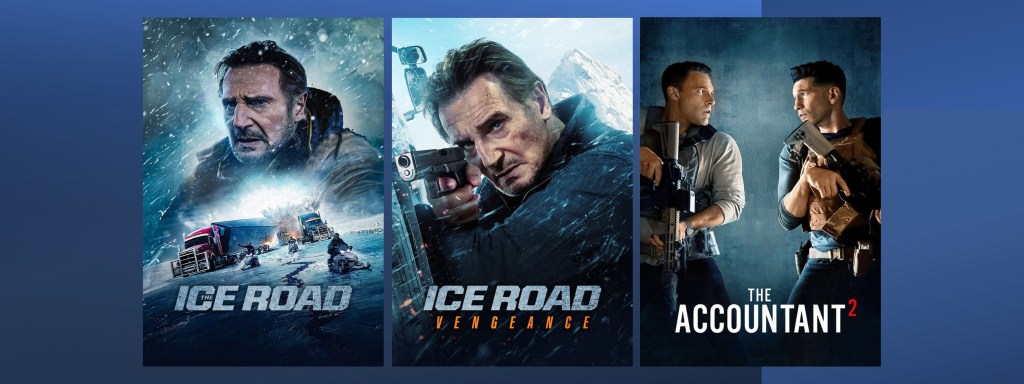
The Ice Road (2021) – PG-13 Ice Road: Vengeance (2025) – TV-14 Liam Neeson stars in both of these predictable adventures as Mike McCann, an everyman trucker with a short temper. In the first film, he and his brother Gurty, an Iraq War veteran suffering from PTSD and aphasia, are hired to drive in a rescue mission across a treacherous ice road. In the second film, McCann does more driving on icy roads, but he does it in Nepal on a trip to take his brother’s remains to Mount Everest. Both of these adventures are formulaic and predictable with bad science all around, but they are also standard fare in the era where Liam Neeson has become that action star. If you need to choose one, the first one is better.
The Accountant 2 (2025) – R White 2016’s The Accountant was more of a lone wolf story, this sequel adds Jon Bernthal to Ben Affleck’s particular set of skills. This becomes a buddy film of sorts, but still entertaining despite the messy plot. It did well enough to start development on a third entry, which I expect will be more of the same action-adventure formula, though hopefully with less than a decade of development.
My Secret Santa (2025) – TV-PG [Netflix] In what amounts to Mrs. Doubtfire and She’s the Man meet Christmas, Alexandra Breckinridge stars as a mother who poses as a man to fund her daughter’s ski lessons by getting hired as a seasonal Santa Claus. Breckinridge (Virgin River, This is Us) and Ryan Eggold (New Amsterdam) have great chemistry in a story we’ve obviously seen before, but they’re good enough together to keep you engaged for 90 minutes.
Jingle Bell Heist (2025) – TV-14 [Netflix] Part rom-com, part heist flick, this odd couple story is a decent enough tale of two strangers who connect to rob a prestigious London department store and end up falling for each other. Much like My Secret Santa, the chemistry is good and meshes well with some of the obligatory heist film twists. This one’s okay.
A Perfect Pairing (2022) – TV-14 [Netflix] This rom-com brings heart to the fish out of water tale. Victoria Justice stars as a high energy, hard-working LA wine executive who travels to a sheep farm in Australia to land a major deal. She ends up working as a farmhand and learning some life lessons along the way. As with most films under this formula, it is pretty predictable but it has heart. I liked it.
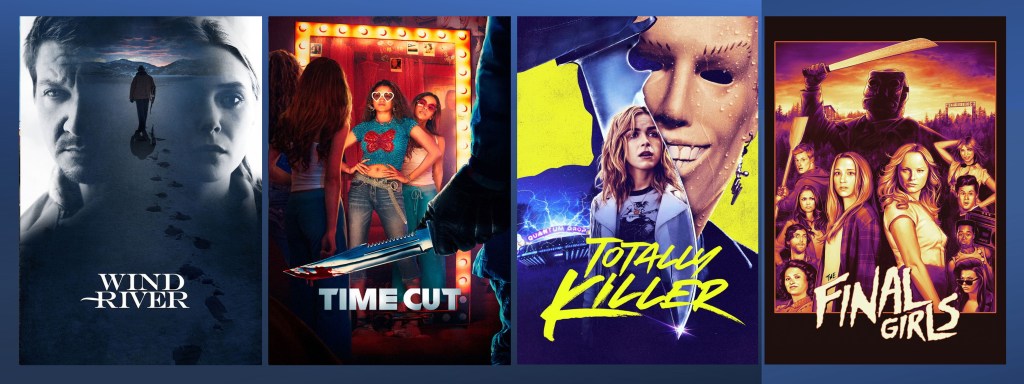
Wind River (2017) – R Our trip through cheesy popcorn movies was derailed by this serious film. It was as cold as its setting and as serious as its subject matter, and that is by design. The movie is a neo-Western crime mystery, and it is meant to draw attention to the epidemic of indigenous women being raped and murdered, both on and off reservations. The cast is phenomenal, including the somber work by Jeremy Renner and Elizabeth Olsen, the latter of whom adds a layer of discomfort and awkwardness to her portrayal of a law enforcement agent from outside the native community. It’s a brutal story that is intentionally uncomfortable and weighty, and probably one of the best movies I have seen all year.
Time Cut (2024) – TV-14 [Netflix] Totally Killer (2023) – R [Amazon Prime] The fascinating thing about these two titles is how they are pretty much the same movie. The coincidence is defined by circumstances surrounding their production. Time Cut started principal photography in 2021, about a year before Totally Killer was announced. Totally Killer filmed in 2022 and was premiered at Fantastic Fest in late September 2023 before going to Amazon Prime weeks later. Meanwhile, Time Cut was delayed by the 2023 SAG-AFTRA strike and didn’t premiere on Netflix until 2024 in time for Halloween.
Time Cut follows Lucy, a teenage girl played by Madison Bailey, who accidentally travels back in time to 2003 and attempts to save her older sister from a masked killer. The murder effectively doomed the small town of Sweetly, Minnesota to an endless cycle of fear driven by grief over the ensuing two decades. This all leads to the Back to the Future tropes of a time traveler interacting with her family and returning to a brighter future at the end of the adventure. Because of the release problems, Time Cut was negatively reviewed because of its similarity to Totally Killer, even though Time Cut was the first to film.
Totally Killer follows Jamie, a teenage girl played by Keirnan Shipka, who travels back in time to 1987 and attempts to save her mother from being murdered by the Sweet 16 Killer. This one adds additional twists to the formula by having the same killer chasing after Jamie in the modern day. It also has some temporal shenanigans that add tension to the time travel aspect while Time Cut is more straightforward.
In the end, they are effectively the same campy slasher flick, but Totally Killer felt more immersive and charming.
The Final Girls (2015) – PG-13 Because of our dive into campy time-travel slashers, the algorithms recommended this odd cheese ball. This one presents a woman named Max whose mother was killed in a car accident. Max was a child at the time and in the car when the fatal accident occurred, and she had to grow up with her mother’s reputation of being a 1980s scream queen horror actress.
Fantastic circumstances result in Max and her friends being pulled into her mother’s most famous movie, and the gang has to fight the slasher while trying to survive. The entire 90-minute ride ends up being a brilliant love letter to the ’80s slasher genre, including a laugh-out-loud denouement that is one last stab of the knife. If you’re a fan of 1980s slasher fare like A Nightmare on Elm Street, Friday the 13th, and all those others that graced USA’s Up All Night, this is a great bit of nostalgic humor.
For the stretch of time from mid-January to late May, movies disappeared for me while I studied for my Professional Engineer license. I would watch an episode of TV during breaks, but I’m one of those people who have a hard time breaking movies into smaller chunks. Knowing that about myself, I ignored movies until my exam was over.
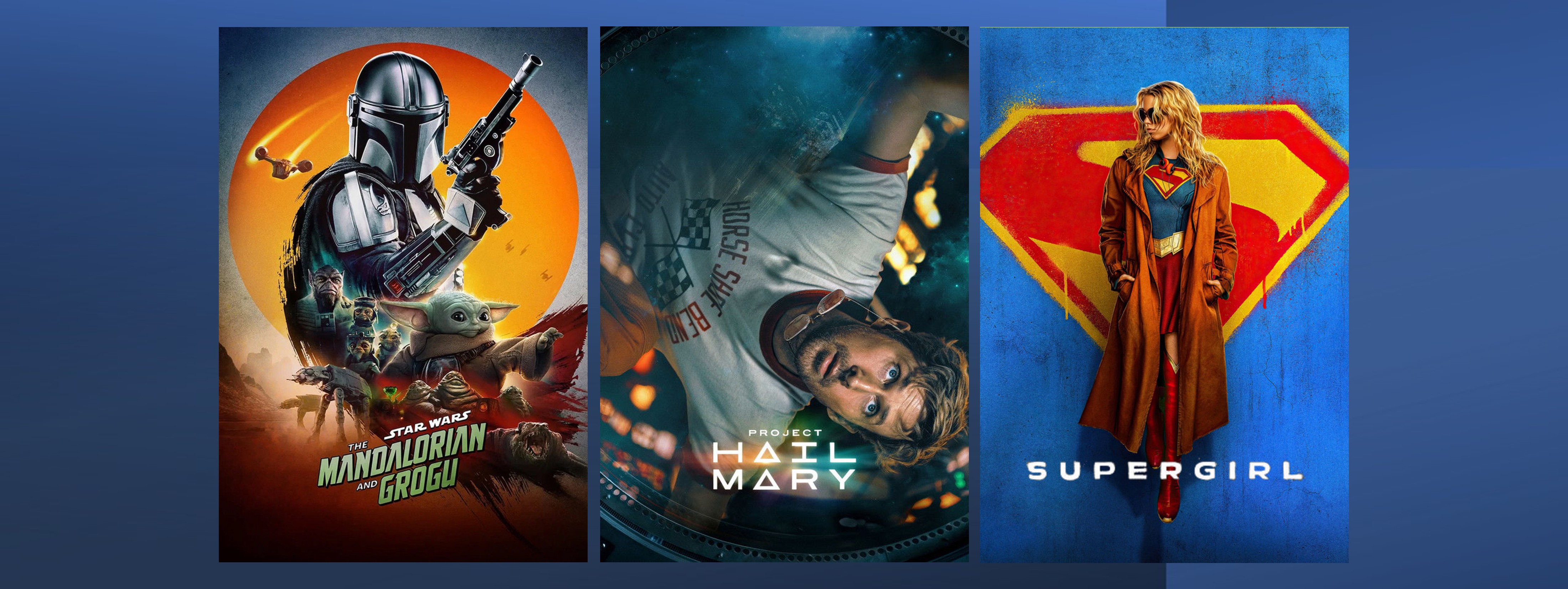
Star Wars: The Mandalorian and Grogu (2026) – PG-13 The first film I watched after the exam was the reward I had decided on for reaching my goal. I’m a huge Star Wars fan (no surprise!) and I have enjoyed the majority of the episodic series on Disney+, so going to see this next adventure for the GFFA version of Lone Wolf and Cub was a no-brainer.
On the whole, I enjoyed this one immensely, but I also see why it wasn’t the runaway hit that everyone seems to have expected. One of the biggest mistakes both Lucasfilm and Marvel Studios have made is producing television series linked to their film franchises that are hidden behind a paywall. General moviegoing audiences aren’t going to do homework as part of their experience, and that includes reading novels/comics or watching “what you need to know” videos from Screencrush or New Rockstars.
If Disney insists on tying in the TV series to the major film releases, they need to make those TV series easily accessible to the general audience. That includes making them affordable on Blu-ray instead of sporadic $40-50 steelbook collectible releases, and getting them out from behind the paywall in a timely fashion.
As a fan, I loved this movie and what it did for Grogu’s character. It also helped flesh out the galaxy in the New Republic era. While it did feel like a few episodes crafted into a feature length presentation, I hope there’s more to come soon. I’d like to see shows like this more frequently instead of letting fans sit in waiting for so long between chapters.
Project Hail Mary (2026) – PG-13 This is one that I really wanted to see but missed in theaters due to exam prep. It was worth the wait. Yes, it’s two and a half hours long, but the mystery, exploration, and emotion keeps the movie rolling right through that runtime. I was also impressed with the practical model and puppetry work. It was fantastic. Amaze, amaze, amaze.
Supergirl (2026) – PG-13 I enjoyed the book this movie was based on, but I was glad to see that it wasn’t a point-for-point adaptation. The James Gunn Supergirl is similar to, but not exactly the same as, the Tom King version. Instead we tread new ground in a slightly too long and slightly overpacked film that explores grief and sorrow. It seems that many social media “reviewers” and professional critics (including Variety‘s own) missed the point in their attempts to smear Gunn in faint praise to the since-passed Snyderverse. In fact, Variety‘s review focused more on Millie Alcock’s physical features than on the plot and motivations (which the reviewer said they didn’t understand, even though it was clearly stated in the film!).
I got it. I understood it. I enjoyed the journey and am looking forward to the next chapter in 2027’s Man of Tomorrow.
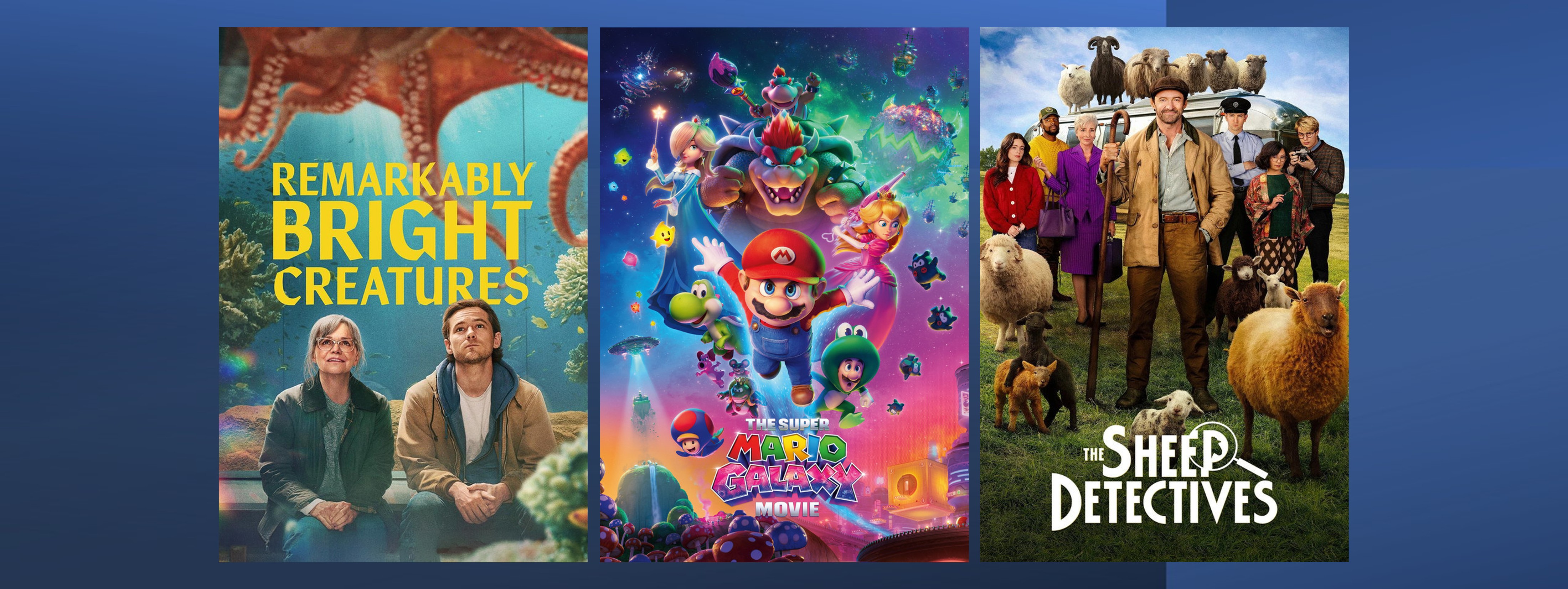
Remarkably Bright Creatures (2026) – PG-13 On its face, this is a formulaic feel-good movie where things turn out okay at the end, and sometimes you need that. But what sold me here was Sally Field acting her heart out to a mop bucket and making me cry. I understand what’s presented on the screen is a fraction of what’s in the book, and I may get to that some day because of this film.
The Super Mario Galaxy Movie (2026) – PG This sequel is more of the same from The Super Mario Movie, and that’s perfectly fine with me because I love what Illumination and Nintendo are doing with this series of films. The inclusion of the Mario Galaxy characters was great, and I do like how they’re tying the princesses of Mario continuity together. Stick around for the post-credits stinger for a tease of what’s to come.
The Sheep Detectives (2026) – PG I didn’t expect to cry over a whodunit involving sheep, but here we are. I have wanted to see this one since the trailer came out. It’s a strange and quirky story but a good one. The voice cast was amazing and the live actors were great too. I won’t tell you who did it, but the solution isn’t the point. The journey is what matters in this story.
Television
During my study time, episodes of television were perfect for short breaks to reset my focus and catch a quick meal. There were a handful of shows we chose to stay current with and could provide just the right amount of mental breather.
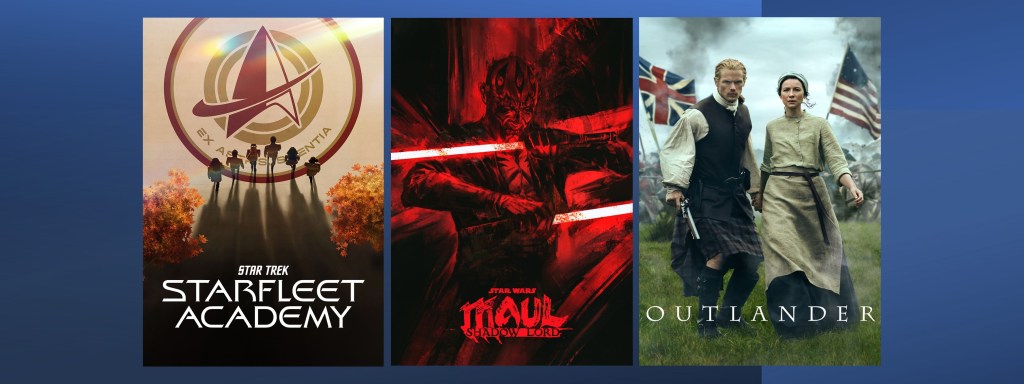
Star Trek: Starfleet Academy – Season 1 [Paramount+] My wife and I went to a birthday dinner while this season was airing and someone asked what I thought of Starfleet Academy. They were surprised to hear my opinion that it was one of the most Star Trek shows of the recent era. It doesn’t have a lot of action, but it rests in the philosophical and ethical debates that were a hallmark of the original series and The Next Generation. Where the YouTube grifters were making their money was by griping about how these kids weren’t polished like typical Starfleet crews. And why would they be? These aren’t even the best and brightest – hat tip to Susan Wright and her Academy novel of nearly thirty years ago – since the Academy has been effectively defunct since The Burn.
I tell you, YouTube “reviewers” have all the self-awareness of a boot. Okay, maybe a little bit more, since they also know they’re core audiences will give them clicks and views because they complain about gay Klingons. *gasp* – The horror!
The fact that Paramount didn’t have the fortitude to stick with this series long term is disappointing. It will get two seasons before dismissing class permanently, and that is a shame.
Star Wars: Maul – Shadow Lord – Season 1 [Disney+] I don’t normally root for the bad guys, but I loved every minute of this season. I enjoy watching Maul trying to get his revenge, and the moral quandaries in this show kept me hooked. From the Jedi merely trying to survive to the Lawsons being caught in the middle and Two Boots trying to do what is right, this show plays in the gray space between light and dark quite nicely.
Outlander – Season 8 [Starz] I really liked the final season of this story, including the pre-destination plot and the very open fantasy ending. I would have loved more to better tie together Fanny’s story and put a bow on where the Fraser’s end up, but the latter being a mystery is fine for me. The former story line being dropped annoys me.
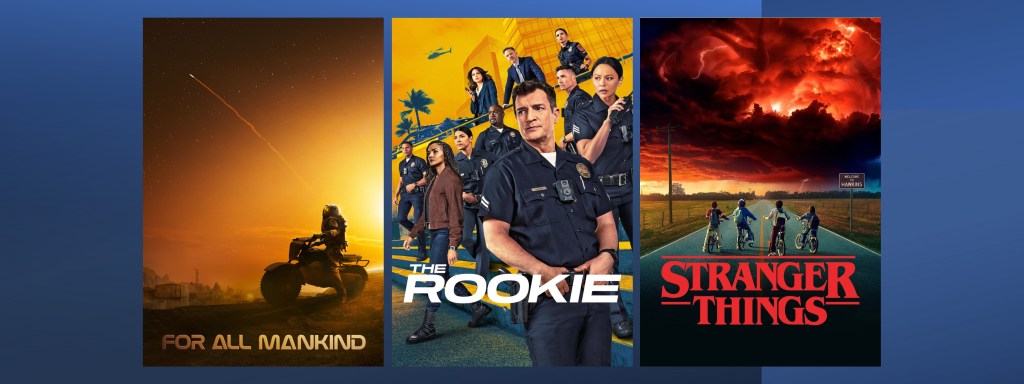
For All Mankind – Season 5 [Apple TV] This season was far more entertaining than the fourth season, focusing on the Martian fight for independence. It also got back to exploration with a search for extraterrestrial life. We finally said goodbye to a long-time character who I thought should have checked out last season, and we get some redemption for another character. This season ran the spectrum from joy to sorrow, but I think it gets us back on track to finish strong with the final season next year.
From this point forward, the list starts into catching up after studying for the exam. These are shows we wanted to watch but just didn’t have time to spend until the schedule lightened up.
The Rookie – Season 8 The Rookie continues to be a fun and wacky character drama with police elements. In the day of modern policing, I see it as part fantasy showing what law enforcement can be. This season was much more cohesive and engaging than the previous one, though I had to remind myself of what happened nearly nine months prior. These short seasons are not kind for continuity.
Stranger Things – Season 5 [Netflix] I enjoy this series but after ten years it was definitely time to put a pin in it. I like how out there this final season went as everything crashed toward the final battle with Vecna. I’m in the minority, but I really enjoyed the open and mysterious ending.
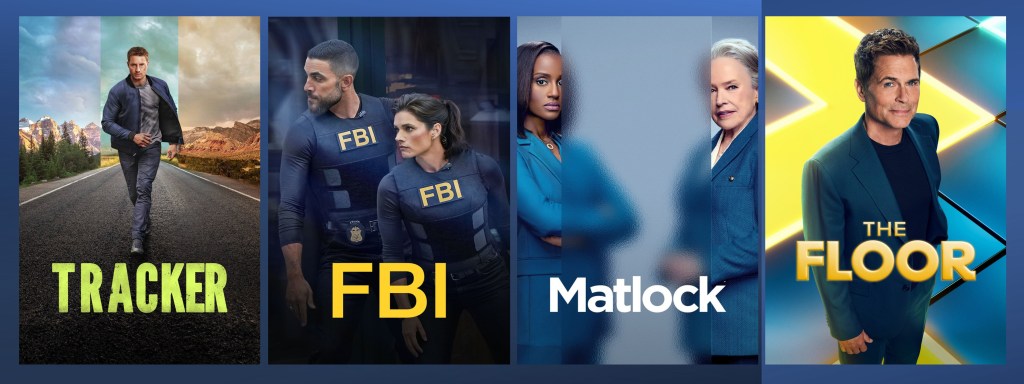
Tracker – Season 3 FBI – Season 8 Matlock – Season 2 I’m lumping these three together because they are procedurals with loose through-line plots. I remember not being totally engaged with Tracker‘s second season, but the third seems to have picked itself up a bit despite having a much leaner budget and cast. The show still gets off the rails from time to time with Colter’s personal subplots, but Season Three was more engaging overall.
Similarly, FBI keeps chugging along with its basic formula, leaning heavily on personal character subplots while driving the action and drama. I miss the spinoffs and haven’t given any time to the new one, CIA. I care about the characters, but I’d love to see more of the spinoff characters come back.
Finally, we come to Matlock, which seems to survive strictly on the chemistry amongst its leads and rolling with punches as actors are removed for cause. This one is a show that seemingly didn’t expect subsequent seasons, and has to create more twists and turns to account for that. It’s still enjoyable, but the main plot’s discovery process feels like it’s becoming more of a chore than an exciting mystery to unfold.
The Floor – Season 4 This is a game show that keeps reinventing itself, and I really like that. The core rules remain in place from season to season, but they keep it fresh by adding new twists and opportunities, such as the Category Steal perk. These changes insert new strategies and keep the contestants from being able to master the game through watching previous seasons. They have to develop tactics in near real time, and that keeps the watch fresh.
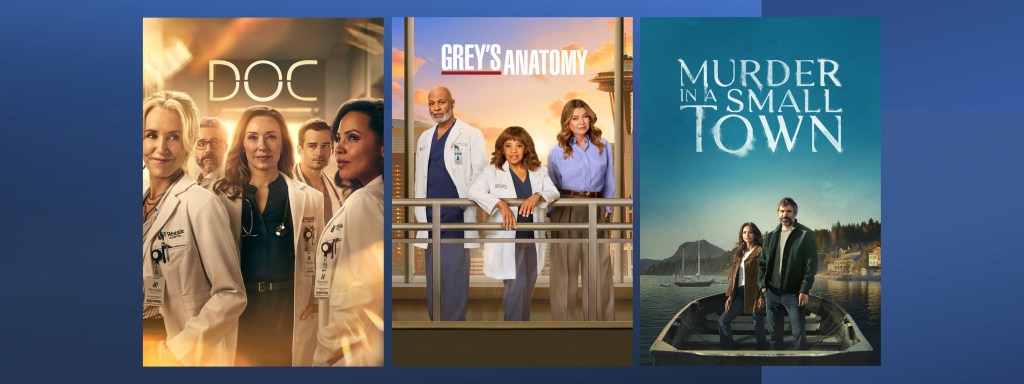
Doc – Season 2 The sophomore season of this series was good overall. Molly Parker continues to shine and the season arc with her mentor (played by Felicity Huffman) was decent, though the ending of her story was anti-climatic because it resolves off screen. Unfortunately, the oxygen was sucked out of the room by the season’s first half arc that lasted way too long. I’m glad to see the show continuing, but hopefully the third season learns from the speed bumps in the second season.
Grey’s Anatomy – Season 22 Murder in a Small Town – Season 2 Both of these series continue keeping station. Grey’s is Grey’s, with a lackluster character death that smacks of tropes we hoped were long gone. Thankfully, the most annoying character on the show found his way out by the finale. Meanwhile, Murder continues to do its thing with Rossif Sutherland and Kristen Kreuk powering the weekly whodunit through a new era of local political intrigue. It’s still an enjoyable ride.
The Morning Show – Season 4 [Apple TV] The Night Agent – Season 3 [Netflix] Another pair of series just carrying on but improving over the previous season. This is also a pair that each get one last hurrah in the near future. The Morning Show picks up with a timely arc about AI and how it affects the news media. It also plays with modern politics and charges of espionage. Truth be told, we stalled out for a while because of how timely and overwhelming this story was in modern context. Meanwhile, The Night Agent returned with a tighter plot harkening back to that of the first season with a more experienced Peter Sutherland taking on the entire chain of command.
The Morning Show will return for a final fifth season. The Night Agent will return for a final fourth season.
The Miniature Wife [Peacock] This is a big disappointment. I was intrigued by the trailer and the premise, and equally motivated to watch because of Elizabeth Banks. The opening episodes were good, but the story fell apart as the main characters failed to learn or evolve. They end up in the same spot where they started, and I couldn’t be pressed to care about them because they were so unlikeable.
Books
Mechanical Engineering Reference Manual: 14th Edition – Michael R. Lindeburg, PE Not quite leisure reading, but I did read this one cover to cover over six months during my PE exam study. It’s the definitive source for the mechanical exam.
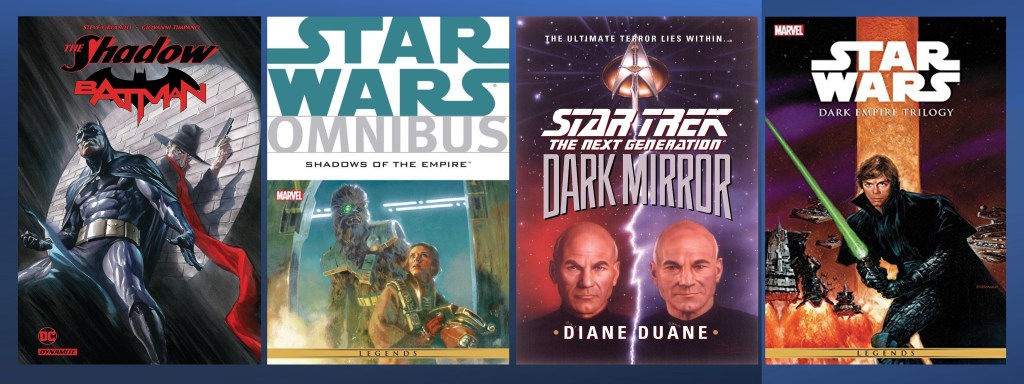
The Shadow/Batman – Steve Orlando. Giovanni Timpano I’m not overly familiar with The Shadow, so I thought I’d give this tale a try. After all, it seemed like the ideal match up. Unfortunately, I found it confusing and too reliant on a prior tale to be any fun for me.
Star Wars: Shadows of the Empire – John Wagner, Kilian Plunkett, Timothy Zahn, Michael A. Stackpole, Carlos Ezquerra, Steve Perry, Ron Randall I read the original novel when it came out in 1996, but I hadn’t explored the graphic novel or the two additional stories in this omnibus, Mara Jade: By the Emperor’s Hand and Shadows of the Empire: Evolution. The main SOTE story felt like a quick and dirty version of the novel, but the big points still remain true: (1) Xizor’s still a slimeball who deserved everything he got, and (2) I still don’t like Dash Rendar, who I see as a poor replacement for Han Solo.
The other two stories were fun reads. It was neat to see some filler info on Mara Jade and where Guri landed post-SOTE. I also don’t turn down writing from Timothy Zahn.
Star Trek: The Next Generation – Dark Mirror – Diane Duane I have read this one a couple of times, but not within the last couple of decades. It’s still as good as I remember. I’m not a big fan of the mirror universe, but Diane Duane makes it work here with the TNG crew. Quite a fun ride.
Star Wars: Dark Empire Trilogy Star Wars: Dark Empire – Tom Veitch, Cam Kennedy Star Wars: Dark Empire II – Tom Veitch, Cam Kennedy Star Wars: Empire’s End – Tom Veitch, Jim Baikie This was the first Star Wars graphic novel series I purchased and read. Unfortunately, those collections were lost in a move with the Navy in the early 2000s. Fortunately, this set is available on Kindle Unlimited.
I like the story ideas here, though they haven’t aged well over the last thirty years. What amuses me is how sequel trilogy detractors take Palpatine’s resurrection to task when it was so prevalent here. The short-lived twist of Luke Skywalker turning to the dark side to defeat Palpatine was shocking back then, but isn’t that much different than his seclusion in The Last Jedi. The big difference is how absolutely over-powered Luke is in this story. The concept of bigger ships (Eclipse) and bigger weapons (Galaxy Gun) is eye-rolling.
The huge downside here for me is the art style. It just doesn’t work for me and often detracts from the experience.
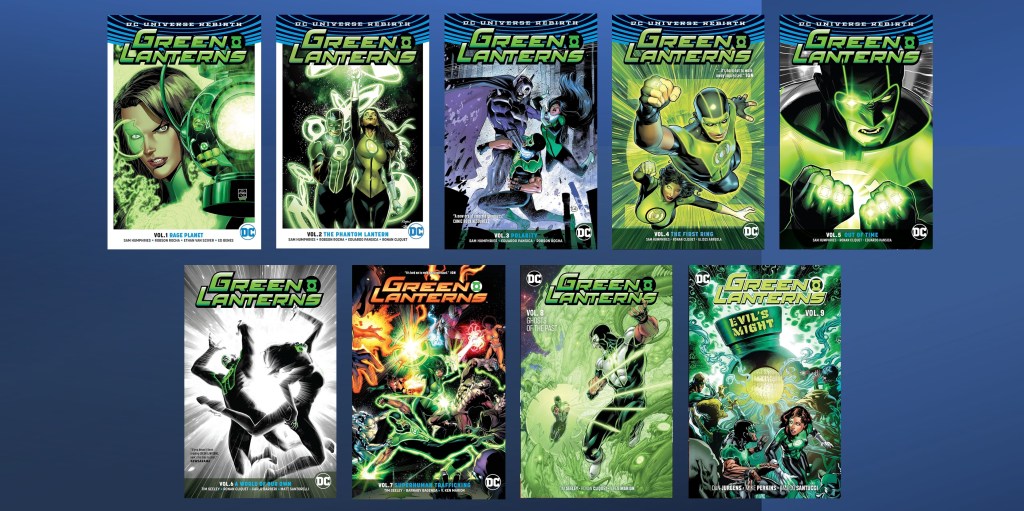
Green Lanterns (2016-2018) Volume 1: Rage Planet – Sam Humphries, Robson Rocha, Ed Benes Volume 2: Phantom Lantern – Sam Humphries, Robson Rocha, Eduardo Pansica, Ed Benes Volume 3: Polarity – Sam Humphries, Robson Rocha, Eduardo Pansica Volume 4: The First Ring – Sam Humphries, Ronan Cliquet, Ulises Arreola Volume 5: Out of Time – Sam Humphries, Ronan Cliquet, Eduardo Pansica Volume 6: A World of Our Own – Tim Seely, Ronan Cliquet, Carlo Barberi, Matt Santorelli Volume 7: Superhuman Trafficking – Tim Seely, Barnaby Bagenda, V. Ken Marion Volume 8: Ghosts of the Past – Tim Seely, Ronan Cliquet, V. Ken Marion Volume 9: Evil’s Might – Dan Jurgens, Mike Perkins, Marco Santucci
Filling another gap in my comics knowledge, I took advantage of Kindle Unlimited during my PE study to read some Green Lantern. The issues compiled in these volumes were a great decompression tool after long days of study. Starting with Green Lanterns from the DC Universe Rebirth era, I found the two junior lanterns Simon Baz and Jessica Cruz to be relatable and enjoyable to watch as they grew into their roles. I also enjoyed having flawed heroes who had to overcome difficulties – PTSD, anxiety, self-doubt, reliance on guns, etc. – to become Lanterns.
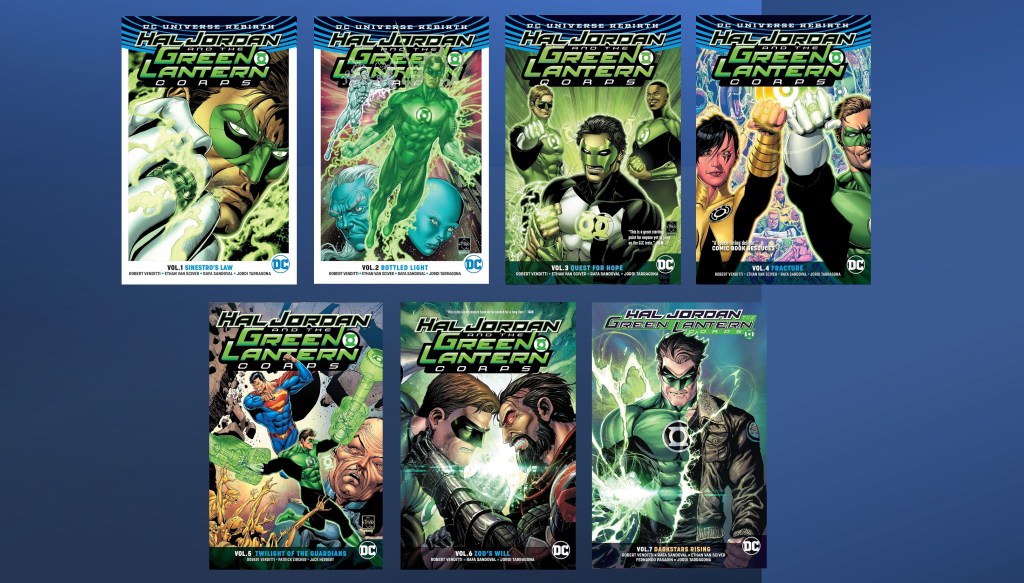
Hal Jordan and the Green Lantern Corps (2016-2018) Volume 1: Sinestro’s Law – Robert Venditti, Rafa Sandoval Volume 2: Bottled Light – Robert Venditti, Rafa Sandoval, Jordi Tarragona Volume 3: Quest for Hope – Robert Venditti, Rafa Sandoval, Jordi Tarragona Volume 4: Fracture – Robert Venditti, Rafa Sandoval, Jordi Tarragona Volume 5: Twilight of the Guardians – Robert Venditti, Patrick Zircher, Jack Herbert Volume 6: Zod’s Will – Robert Venditti, Rafa Sandoval, Jordi Tarragona Volume 7: Darkstars Rising – Robert Venditti, Rafa Sandoval
Unfortunately, this title wasn’t as exciting for me. I enjoyed a lot about it – John Stewart, Kyle Rayner, the personalities in the Green Lantern Corps, the alliance with the Sinestro Corps, Soranik’s journey – but the title character irritated me overall. Parts of his story were interesting, but I found Hal Jordan insufferable, and that dragged down the entire series for me.
Which is odd when I think about it since I haven’t had the same issue with the character in the new Lanterns series. Maybe I like that version more because the other characters aren’t putting up with his garbage behavior?
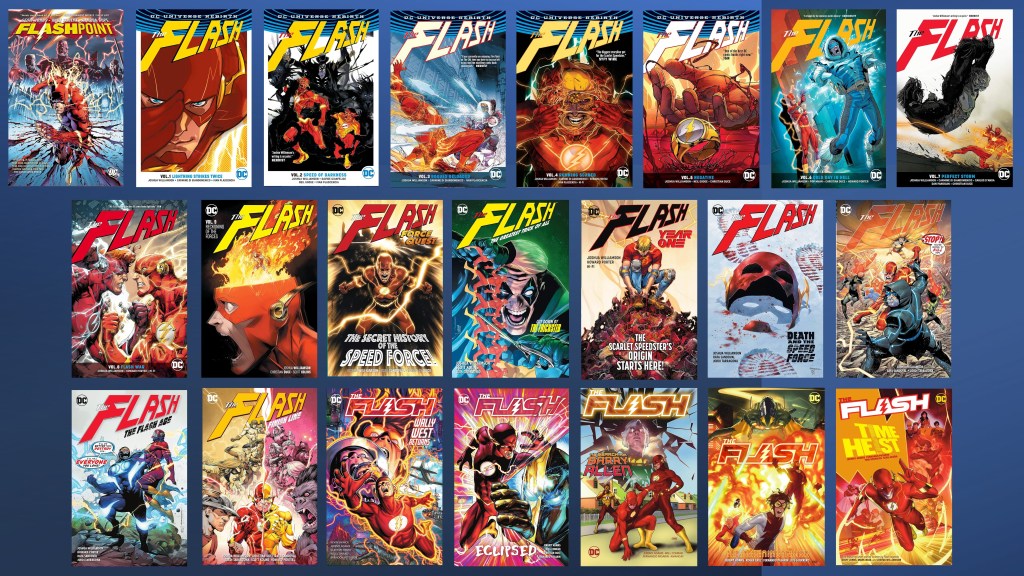
Flashpoint (2011) – Geoff Johns, Andy Kubert, Sandra Hope
The Flash (2016-2024) Volume 1: Lightning Strikes Twice – Joshua Williamson, Carmine Di Giandomenico, Ivan Plascencia Volume 2: Speed of Darkness – Joshua Williamson, Davide Gianfelice, Neil Googe, Ivan Plascencia Volume 3: Rogues Reloaded – Joshua Williamson, Carmine Di Giandomenico, Ivan Plascencia Volume 4: Running Scared – Joshua Williamson, Carmine Di Giandomenico, Ivan Plascencia, Howard Porter, Hi-Fi Volume 5: Negative – Joshua Williamson, Neil Googe, Christian Duce Volume 6: Cold Day in Hell – Joshua Williamson, Pop Mhan, Christian Duce, Howard Porter Volume 7: Perfect Storm – Joshua Williamson, Carmine Di Giandomenico, Carlos D’Anda, Dan Panosian, Christian Duce Volume 8: Flash War – Joshua Williamson, Howard Porter, Hi-Fi Volume 9: Reckoning of the Forces – Joshua Williamson, Christian Duce, Scott Kolins Volume 10: Force Quest – Joshua Williamson, Rafa Sandoval, Christian Duce Volume 11: The Greatest Trick of All – Joshua Williamson, Scott Kolins, Luis Guerrero Year One – Joshua Williamson, Howard Porter, Hi-Fi Volume 12: Death and the Speed Force – Joshua Williamson, Rafa Sandoval, Jordi Tarragona Volume 13: Rogues’ Reign – Joshua Williamson, Rafa Sandoval, Jordi Tarragona Volume 14: The Flash Age – Joshua Williamson, Howard Porter, Rafa Sandoval, Jordi Tarragona Volume 15: Finish Line – Joshua Williamson, Christian Duce, Rafa Sandoval, Jordi Tarragona, Scott Kolins, Howard Porter Volume 16: Wally West Returns – Kevin Shinick, Jeremy Adams, Clayton Henry, Will Conrad, Brandon Peterson Volume 17: Eclipsed – Jeremy Adams, Will Conrad, Christian Duce, Fernando Pasarin Volume 18: The Search for Barry Allen – Jeremy Adams, Will Conrad, Fernando Pasarin, Amancay Volume 19: The One Minute War – Jeremy Adams, Roger Cruz, Fernando Pasarin, Luis Guerrero Volume 20: Time Heist – Jeremy Adams, Fernando Pasarin, Tom Derenick, Serg Acuña
This run of The Flash was so much fun and tied in nicely with the magic of the early seasons of the CW television show. I really enjoyed the whimsy and the exploration of the Flash family. By nature of these collections, I skipped past the depressing side quest with Wally West. Michael Bailey warned me that it wasn’t very good.
I also read Flashpoint for the first time. It was okay. Nothing special was found here that hasn’t already been adapted into the various versions across film and television, though it certainly beats the socks off the abysmal film near the end of WB’s Snyder era.
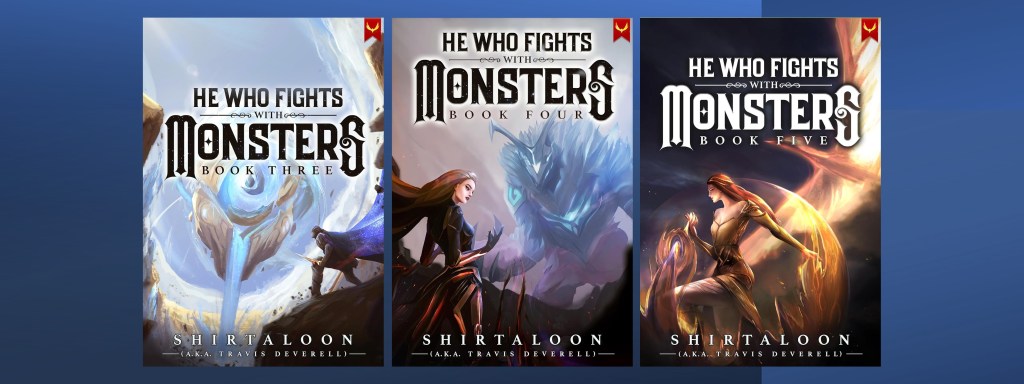
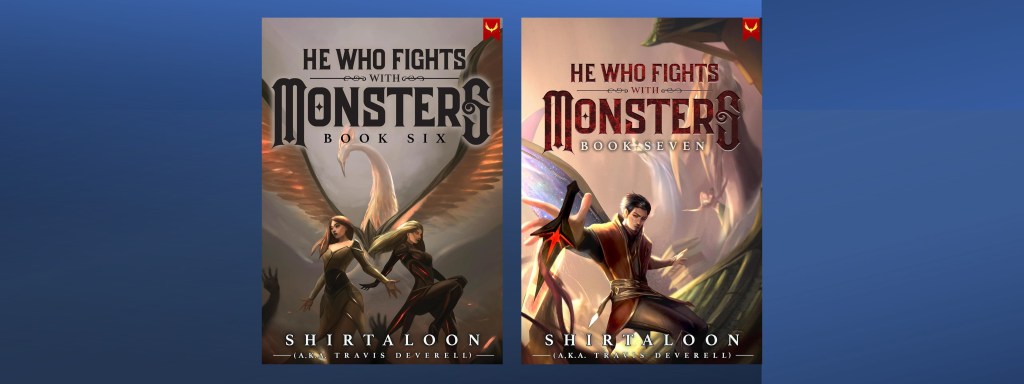
He Who Fights with Monsters: Book Three – Shirtaloon (Travis Deverell) He Who Fights with Monsters: Book Four – Shirtaloon (Travis Deverell) He Who Fights with Monsters: Book Five – Shirtaloon (Travis Deverell) He Who Fights with Monsters: Book Six – Shirtaloon (Travis Deverell) He Who Fights with Monsters: Book Seven – Shirtaloon (Travis Deverell)
I also kept up with this LitRPG series. It follows a man from our world who wakes up naked, in the middle of a hedge maze, in what is effectively a sword-and-sorcery RPG video game. This time around, he actually dies and is transported home. That arc was disappointing, but it’s followed by an arc where he returns to the other planet and explores a new place with his old friends. That arc was better.
I set it aside before Dragon Con for a slight change of pace. Some friends of mine finally convinced me to try the Dungeon Crawler Carl series. We’ll see how that goes.
Stage
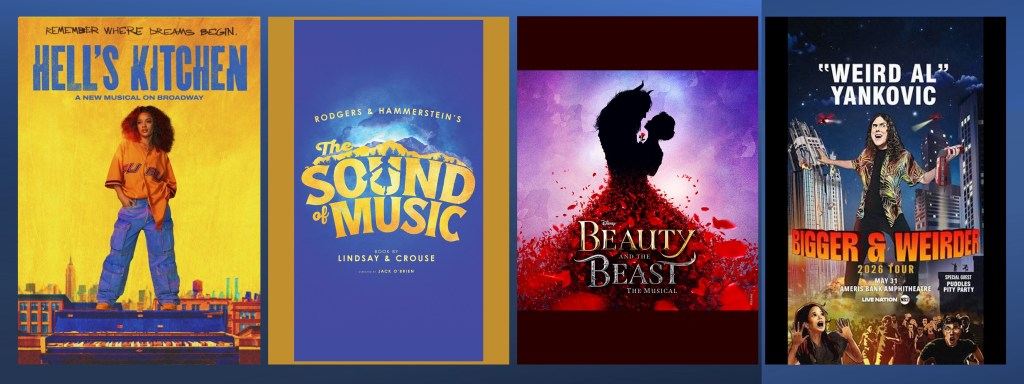
Hell’s Kitchen – Broadway in Atlanta The Sound of Music – Broadway in Atlanta Beauty and the Beast – Broadway in Atlanta Weird Al Yankovic: Bigger & Weirder Tour
We took in three shows as our Broadway in Atlanta series and one concert. All three of the Broadway shows were great, and The Sound of Music was especially powerful. The Weird Al concert was fun as always, though my voice did hurt for a couple of days after the hours of laughing and singing along.
Games
None. I haven’t had a lot of spare time for video games lately. Related to that, though, my brother Nick is streaming periodically on Twitch if you want to take a look.
The next iteration will have a little bit of this and a little bit of that as we round out the rest of 2026.
Culture on My Mind is inspired by the weekly Can’t Let It Go segment on the NPR Politics Podcast where each host brings one thing to the table that they just can’t stop thinking about.
Narrative Diversions sources poster art from various places, including The Movie Database (TMDB), Memory Alpha, Memory Beta, TARDIS Wiki, and publisher, distributor, and reseller websites. TMDB’s contents are available with a non-exclusive license for personal and non-commercial use. Fandom wiki materials are available with a Creative Commons Attribution-Share Alike License 3.0 (Unported).
Many thanks to the fans who create and share their passion for entertainment and storytelling.
Debrief: Dragon Con 2026 Atlanta, GA – September 3 through September 7, 2026
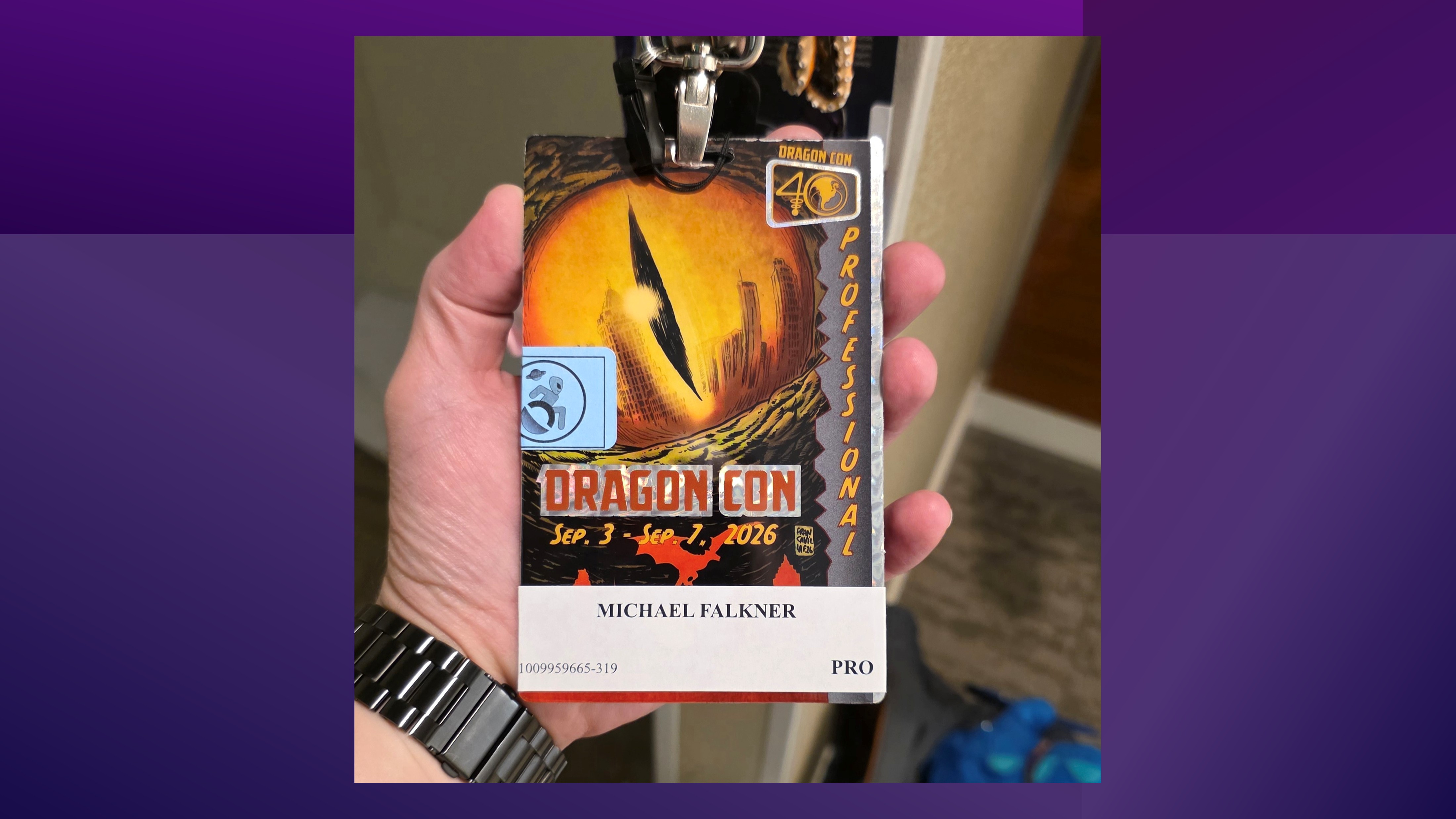
Dragon Con 2026 has come to an end and the 40th installment was a busy one.
Attendance was reported at 75,000, dictated by the cap on badge sales. This matches last year’s numbers, but many of the anticipated no-shows actually showed up. Thursday, Friday, and Saturday were swamped with partying nerds. The con’s traffic management was decent, but the logistics for badge pickup and lines were challenging (to say the least).
Those 75,000 fans did a lot of good charity work this year, offering at least $320,000 for Hope Atlanta. The blood drive was very successful as well, earning the distinction of the largest convention-based blood drive in the world and the third largest blood drive in the world. Dragon Con also exceeded expectations in a book drive held in honor of Dolly Parton.
I left the con physically exhausted but emotionally energized after hanging out with con family.
On to the discussion!
First on the list, as always, I want to thank the track directors and their volunteer staffs for welcoming me into their homes for the weekend and offering the chance to talk on their stages.
Second on the list, but by no means any less important, I’d like to thank the volunteers. There are so many who help bring this convention to life every year. In fact, the vast majority of the people who keep the convention flowing are volunteers. As always, I’d like to especially note Disability Services and Tech Ops. These folks push the limits and innovate to keep this show moving. Your hard work does not go unnoticed.
Number the third, I’d like to thank the convention for having me back as an Attending Professional. This was my eighteenth Dragon Con (counting participation since 2009, missing only one year in 2023) and my ninth as an Attending Pro (counting participation since 2016, though I wasn’t an AP in 2020 or 2023).
[Note: Yes, these posts vary from year to year. I think my count is accurate now. I even took off my shoes for enough digits to count. Best to get an accurate count now before I run out of fingers and toes.]
I appreciate all of these wonderful folks for having faith in my abilities to both participate and moderate programming events. I really enjoy spending the weekend having fun, catching up with my geek family, and meeting new people.
Okay, let’s break this convention weekend down a bit with some highlights and lowlights.
On Schedule
One of my core drives in life is helping people and building communities. The Dragon Con Newbies program does that by offering walking tours and Q&A sessions to help people get their bearings and start Dragon Con on the right foot. Sue Kisenwether, Kim McGibony, and Kevin Bachelder are amazing friends and a joy to work with. Thanks to all of our tour leaders and wranglers for volunteering their time and knowledge, as well as our team of moderators in the Facebook group who work hard all year to keep the malcontents out.
We actually sent fewer tours that normal due to the problems at badge pickup. We’re estimating 550 tours for this year, and that’s reflected in having a mostly empty waiting room before the end of the tour block.
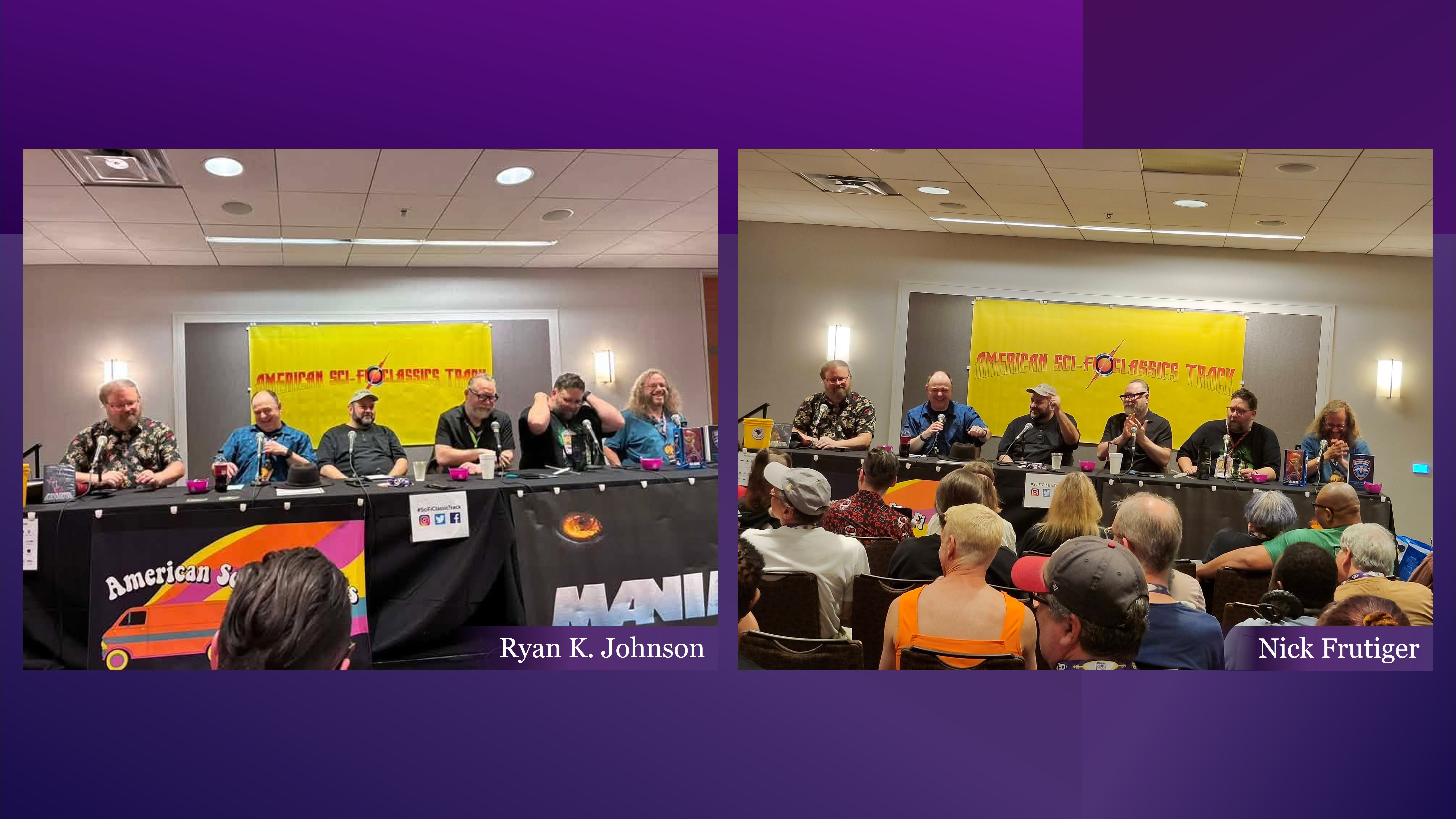
My panel schedule was well balanced this year with one or two events per day except Thursday. I got to talk about Aliens, Starship Troopers, Terminator 2, Farscape, Batman (1966), Smallville, Doctor Who, and tales of Dragon Con itself. I was also asked last minute to moderate the Aliens and Starship Troopers panels, and was complimented for how well both of those panels moved. It’s good to know that I still have it.
The panels were quite fun this year, and most of them were stacked with experts and well-read fans of the respective properties. I felt like moderating the Aliens panel was akin to holding on for dear life given the team of Keith DeCandido, Drew Gaska, John Hudgens, Darin Bush, and Shaun Rosado in the car with me. These folks are experts on the Alien franchise and that discussion wandered where it wanted to go with plenty of audience interaction.
The Starship Troopers panel was a personal favorite given the breadth of discussion from the movie to the book and the politics involved with both. Kevin Stallard, Darin Bush, Michael Wesley Collins, and Tony Bowers brought their expertise to bear with a good amount of audience participation to help drive the panel. The Terminator 2 panel was also fun as Gary Mitchel drove the HK-tank as moderator with Derek Gayle, John Hudgens, Calvin Watts, and me.
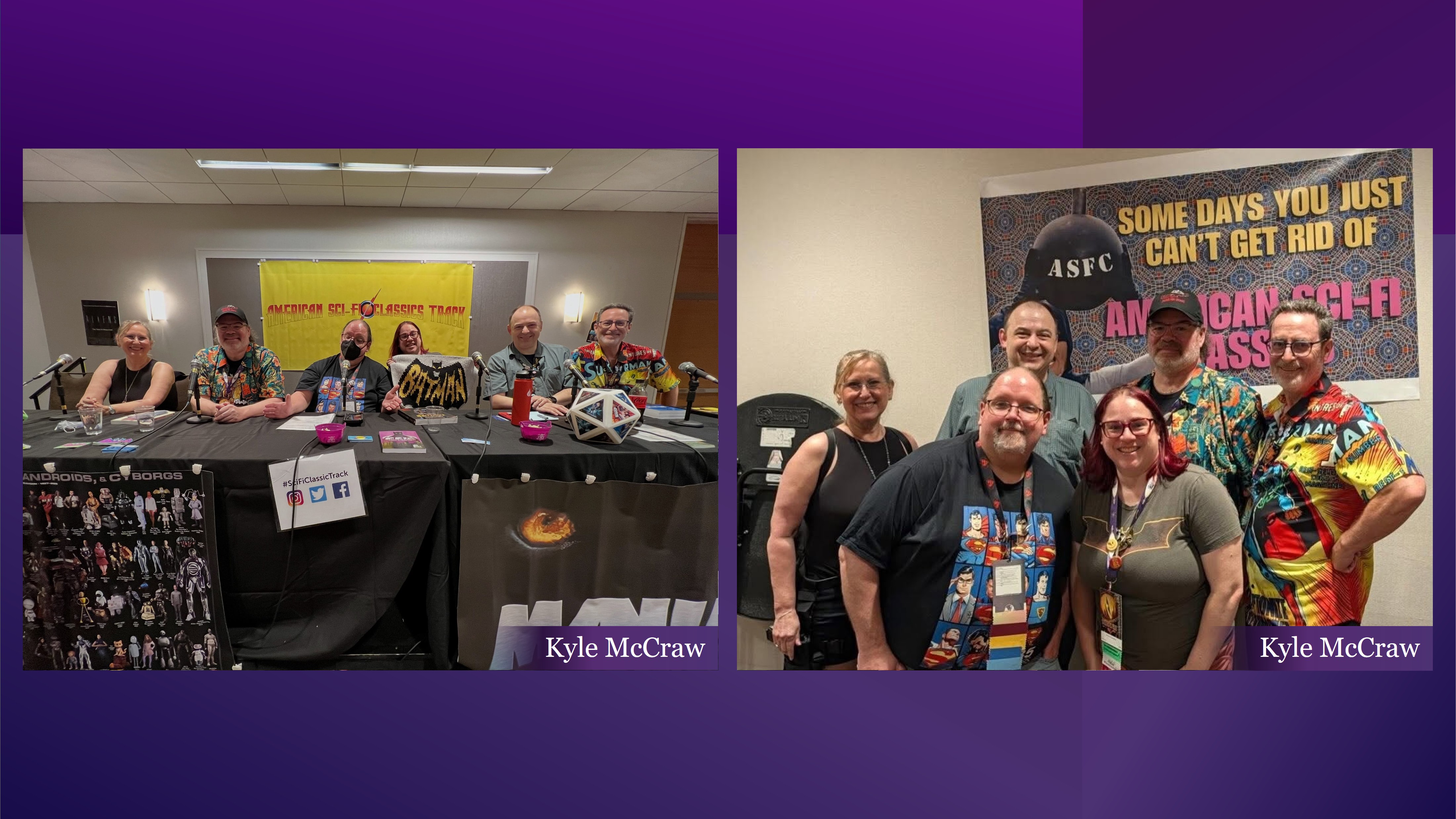
Saturday brought two panels. The first was “Space Muppets & CGI,” a discussion of the non-human-acted characters of Farscape. I had a great time talking about Rygel, Pilot, and the Leviathans with Kathleen O’Shea David, Amanda Tillman, Laura Schroeder, Lacee Aderhold, and moderator James Henson. The second panel was a celebration of the 1966 TV show Batman with Michael Bailey, Michael Gordon, Keith DeCandido, ToniAnn Marini, and special bat-guest Bob Greenberger.
Sunday brought a discussion on Smallville with Michael Bailey and Derek Gayle. It was a good discussion to start the day. That evening, I joined the BritTrack to talk about the new “wilderness years” of Doctor Who with Anthony Williams, Rob Bowen, and moderator Mark Heffernan.
Monday wrapped the convention with Classic Tails of Dragon Con, a panel where Jen Schleusner, Rob Levy, Ryan Carey, and I were joined by Sue Kisenwether, Gary Mitchel, Keith DeCandido, and an audience to swap stories ranging from silly and weird to serious and heartbreaking about the convention. It was a beautiful and chaotic community way to put a bow on 2026.
Off Schedule
Thursday night was also quite fun as my wife and I wandered the hotels and watched the cosplayers. At one point, she found a “quest giver” who was handing out Avery labels with various tasks to take photographs. Each completed quest earned her a different ribbon, and the final quest resulted in a shiny glittery ribbon. The final quest required her to wrangle six different pairs of cosplayers into one photo, which was a bold step out of character for her to negotiate with strangers to gather. She was the first to complete all of the quests. The quest giver was impressed.
We also stopped by the Swag ‘n’ Seek gather for a spell. Dragon Con Swag ‘n’ Seek is a fan-driven cause to leave trinkets or gifts around the convention as an act of kindness to others. They’re a great group of people. I didn’t bring anything this year, but I routinely leave books and toys with the requisite SnS tags to explain what the treasure means.
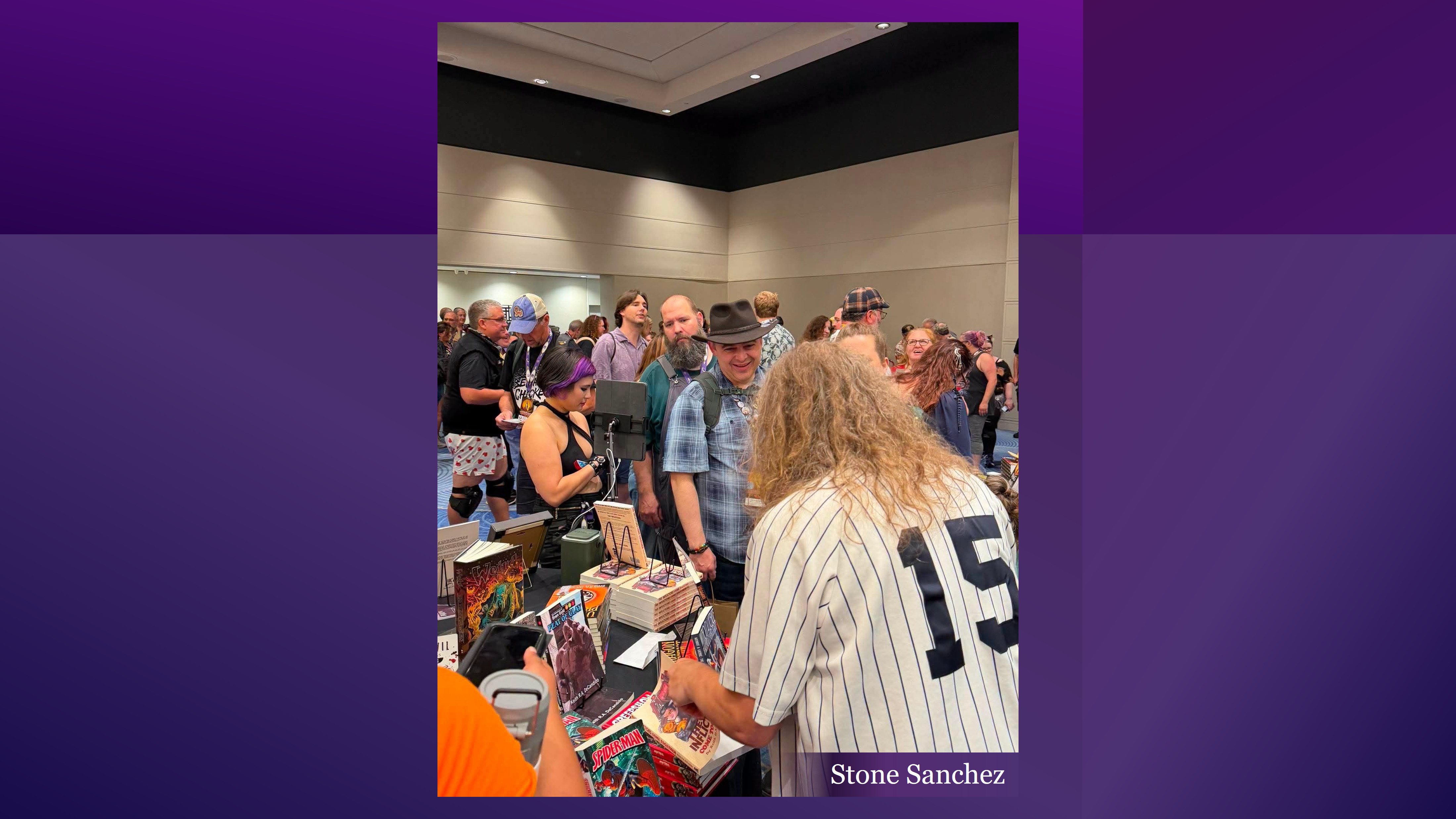
After my Friday panels, our little group visited the blood drive, then visited the Fantasy Literature track for a panel called Battle of the Bodies: Bodies in Motion. It was about how to write the movement of bodies in various situations, but it focused a bit heavily on sex. We then jumped in line for the Improvised Dungeons & Dragons show, which was hilarious despite the very late start. We ended the night with the Fantasy Gather where we bought Keith DeCandido’s new book, The Inflictors: Come Together. We wander a bit more but left the Gather soon after because the room was way too crowded.
We were invited to watch the Dragon Con parade from a friend’s office overlooking the route. It was a great experience, especially with some of his clients (who didn’t know what Dragon Con was), some con newbies, and a group of kids. I haven’t watched the parade live for a long time because of the crowds and the heat, so a more intimate setting was a nice change of pace.
The 2026 parade was filmed by both Dragon Con TV…
…and our local CBS affiliate.
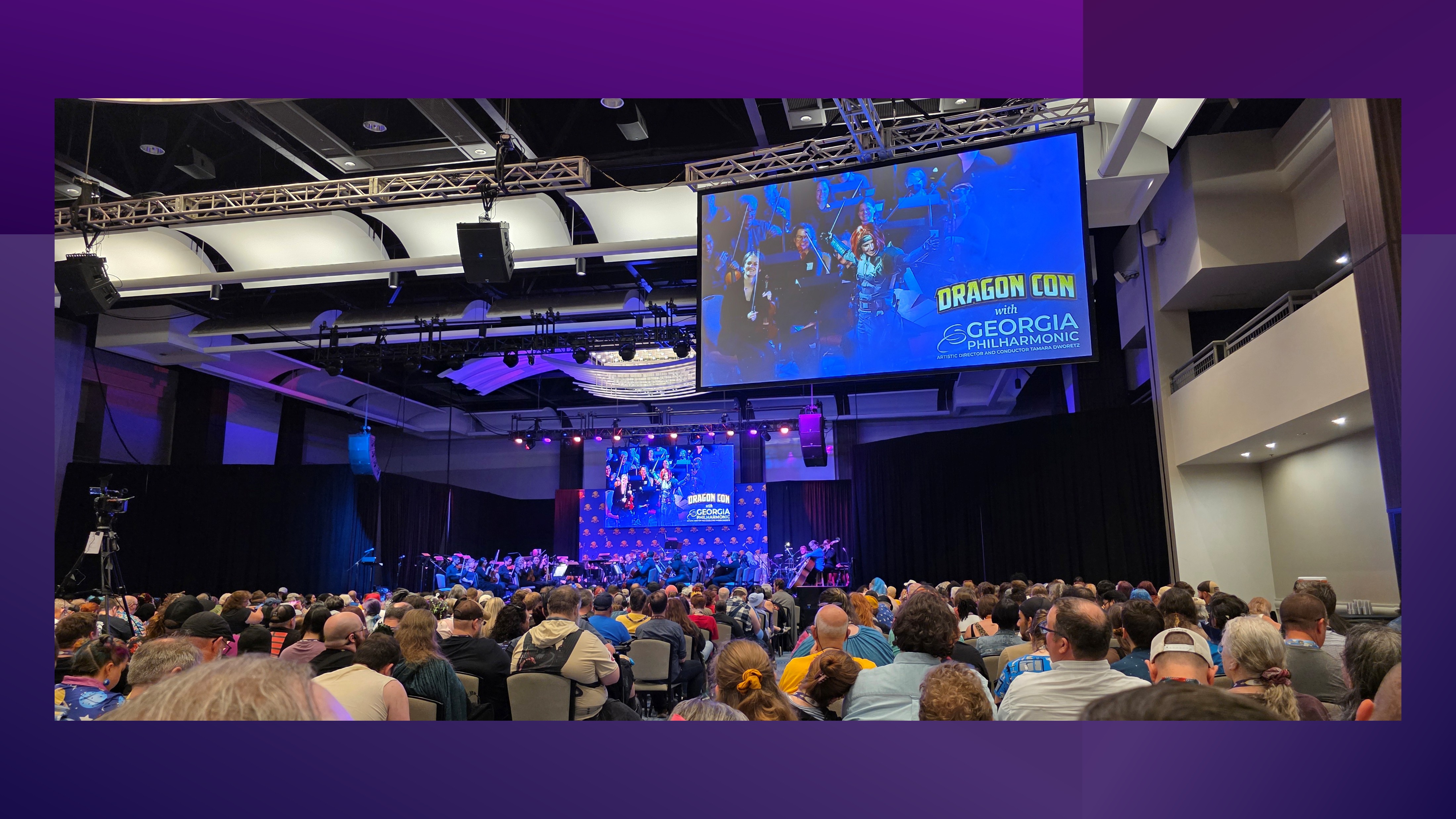
Saturday also brought the annual performance by the Georgia Philharmonic Orchestra. This year’s program included selections from Dune, Alien3, Labyrinth, How to Train Your Dragon, Wonder Woman, K-Pop Demon Hunters, Star Wars: A New Hope, Outlander, Bridgerton, The Muppet Show, Lightyear, Super Mario Bros., The Mandalorian, The Avengers, Spider-Man, and The Lord of the Rings: Fellowship of the Ring. This event is highly recommended for fans of live orchestral music and soundtracks.
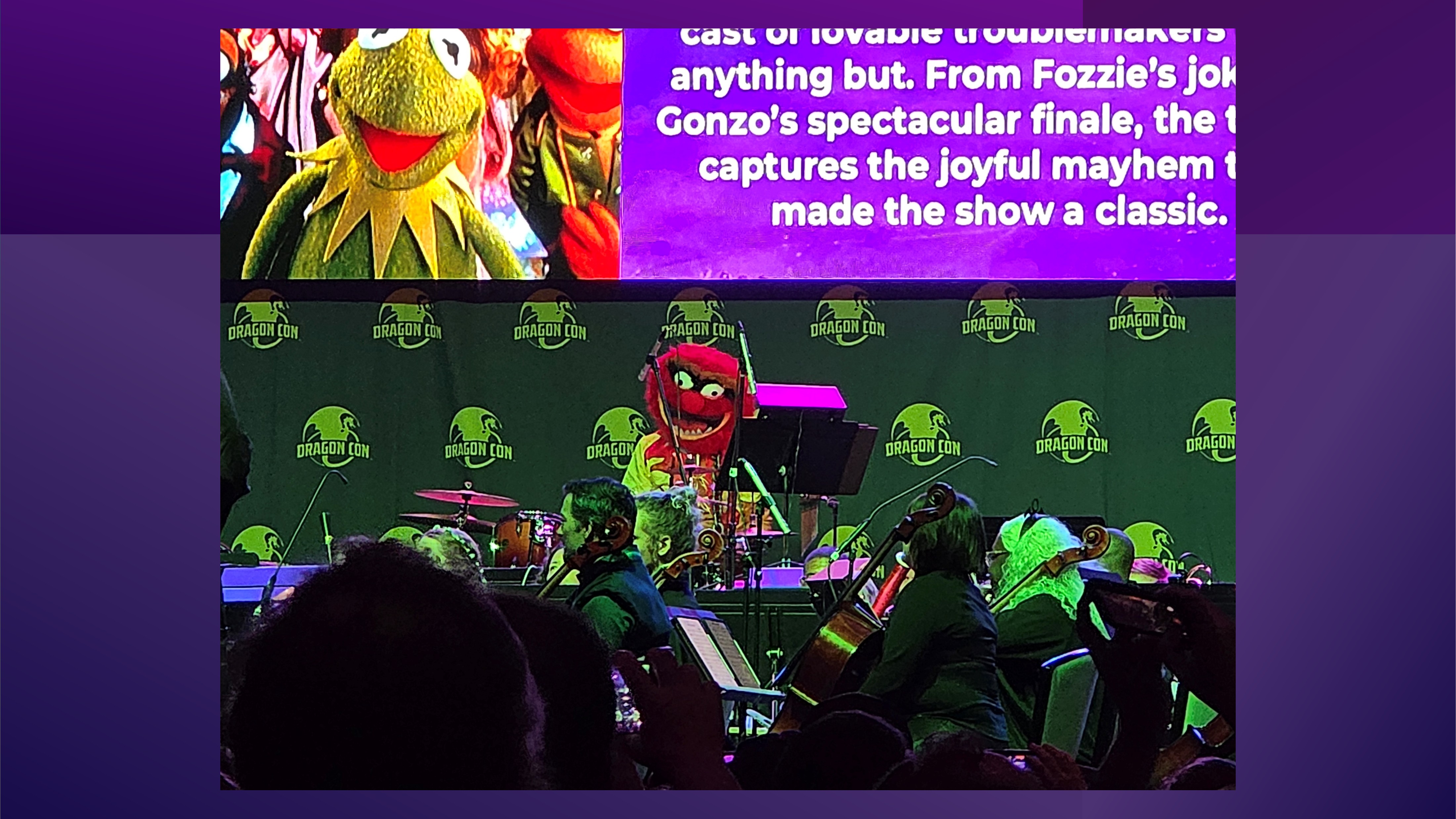
One of the funniest things at the Georgia Philharmonic performance was The Muppet Show. The drummer disappeared for a second and popped back up in an Animal cosplay for the number. I was amazed that he was able to see well enough to finish the performance.
We wrapped up Saturday with “Exploring Strange Old Fics,” the annual deep dive into Star Trek fanzines with Sue Kisenwether. The content skews into adult territory so there are no photos or videos of the presentation, but Sue also presents her research and sources, which I find fascinating as one of those Trek nerds who reads reference books.
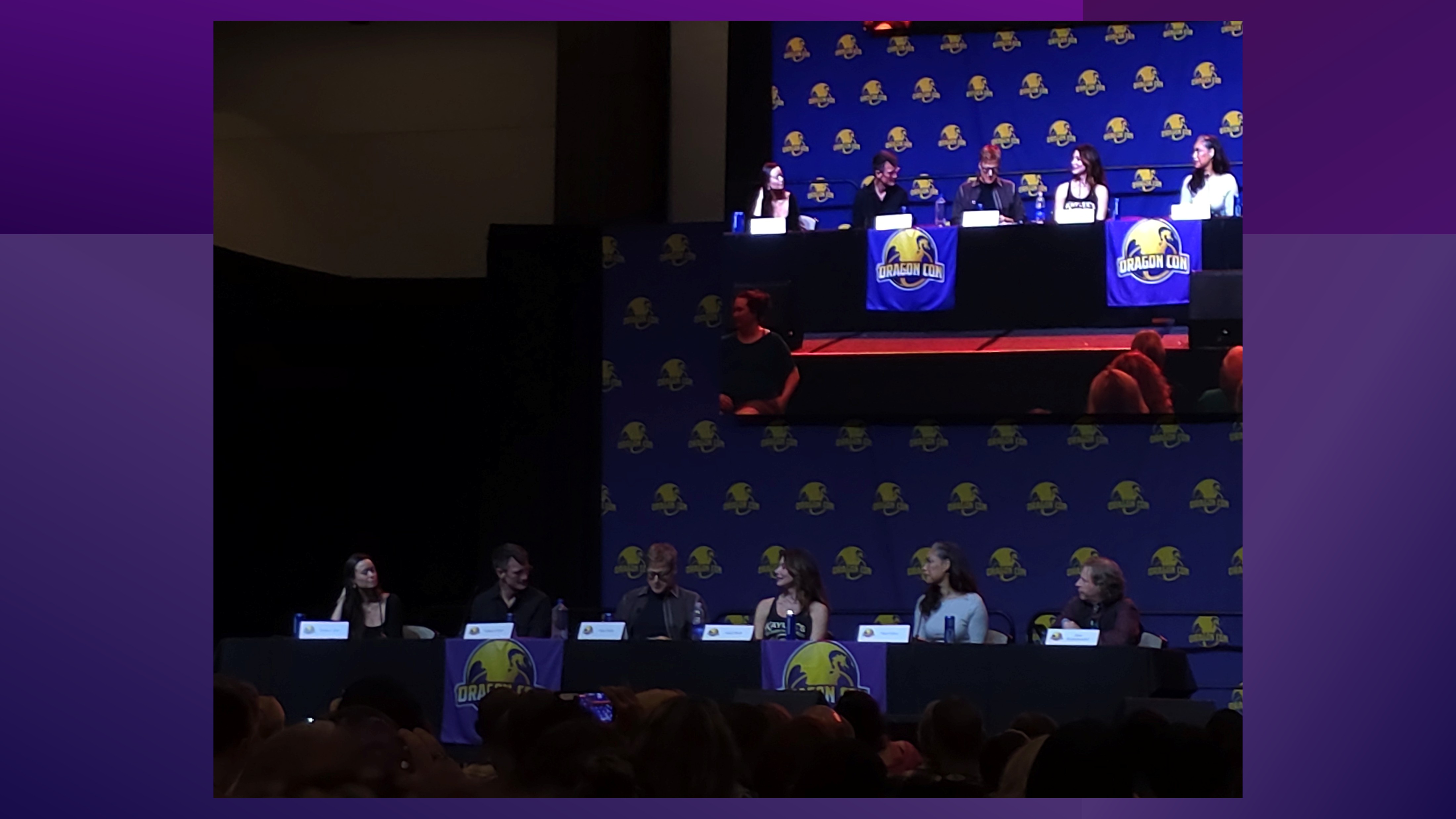
The pages between my Sunday bookend panels belonged to a Firefly panel and a table read of Manimal in the Classics Track. Manimal was entertaining, carrying on the joke established by Joe Crowe and Gary Mitchel, but who can compete with a Firefly panel staffed by Nathan Fillion, Alan Tudyk, Jewel Staite, Gina Torres, Summer Glau, and moderator Brian Richardson? The cast shared a lot of jokes and humorous stories, and I laughed for a good hour as they entertained a jam-packed ballroom of fans.
(Yeah, that photo is a bit dark. It was the best I could do in that ballroom with standard panel lighting.)
On Monday, we started slow before my last panel of the convention by visiting the American Sci-Fi and Fantasy Media Track for an intimate discussion of Upload‘s final season. Beth Verant, Marghie Parsons, and Isabelle Hardy discussed the season with a small audience what amounted to a fireside chat. I wasn’t pleased with the final season, but after listening to the discussion, I almost want to watch this series again straight through without the unpleasantly long breaks between seasons.
Charity and Community
Dragon Con turned out big time for charity this year.
As I mentioned earlier, the 75,000 fans offered more than $320,000 for Hope Atlanta in support of their mission to end homelessness. The blood drive was very successful as well, earning the distinction of the largest convention-based blood drive in the world and the third largest blood drive in the world.
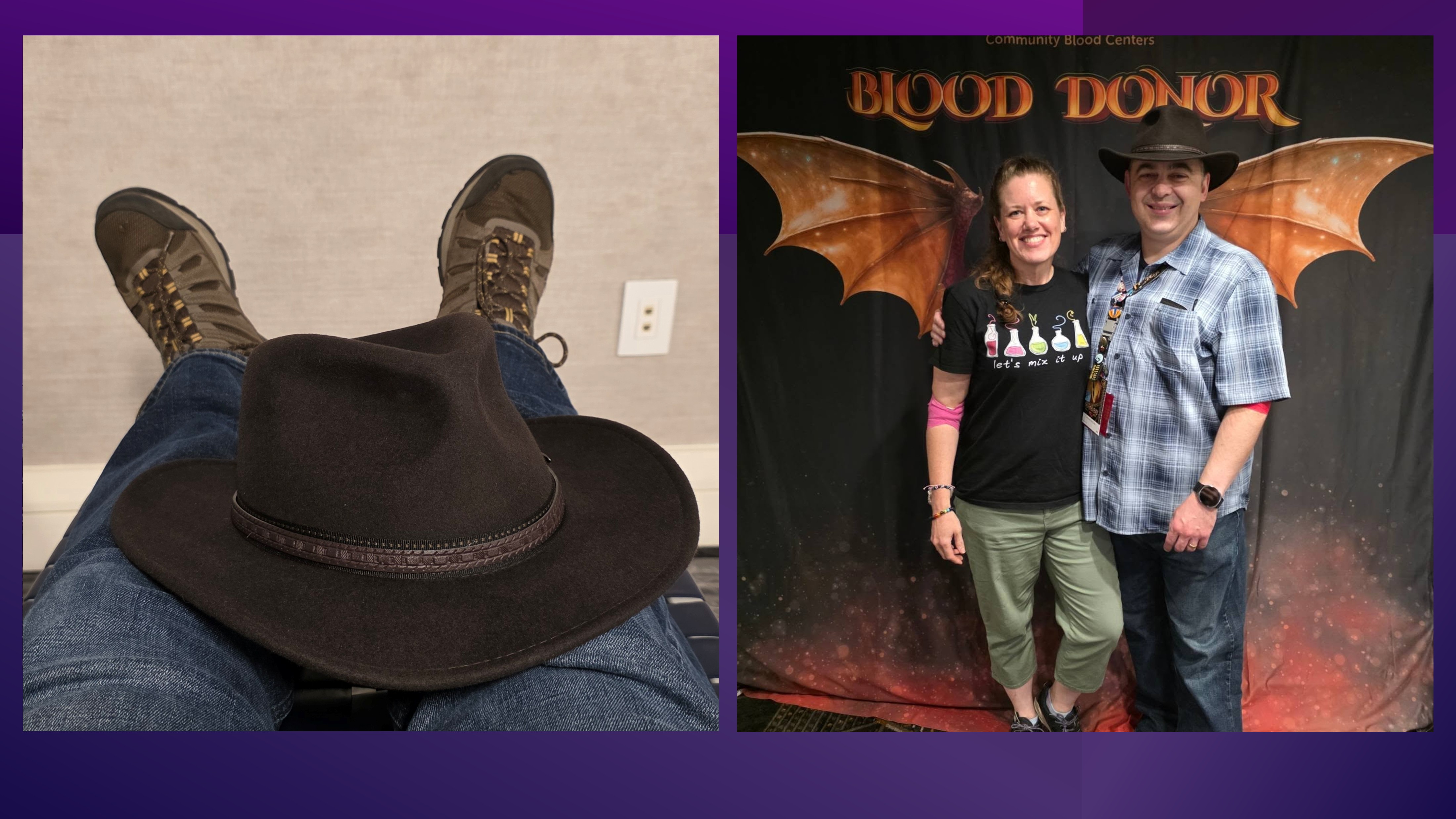
Of course, I had to get my annual blood drive shoe selfie and a photo with my forever con buddy.
Dragon Con also turned out in support and in honor of Dolly Parton. Inspired by her Imagination Library, Dragon Con led a book drive benefiting the Fulton County Library System and Georgia Public Library Service. The goal was 1,000 children’s books. The Dragon Con community delivered 5,000 instead.
Wowzers.
There were some rough spots in this year’s milestone convention.
The first relates to the Courtland Grand. There are a lot of rumors and speculations out there about why things fell apart at this host hotel, but they did fall apart and in grand fashion. Before the convention, hundreds of people had their reservations cancelled or moved to inconvenient contingency locations. A good chunk of that was tied to a fire sprinkler system activation that flooded nearly 300 rooms in the north tower.
Additionally, the hotel’s air conditioning system couldn’t keep up with the high temperatures and high number of people, resulting in events being cancelled during the convention. From what I have heard, the events that did continue were uncomfortable at best.
Finally, logistics issues (and, I’ve heard, connectivity issues) forced long lines for badge pickup. I mentioned that impact on the newbie tours, but it also became a serious safety concern with daytime temperatures in the high 90s (~35C to 37C) and heat indices making it feel like the low 100s (~38C to 40C). Several people collapsed after spending hours in the high heat, and those events made local news.
To their credit, Dragon Con started crisis management procedures to help mitigate the problem. During the convention’s closing ceremonies, they assured everyone that they would be having some tough discussions with the Courtland Grand. Rightfully so.
If you’re on any of the convention’s social media channels, it won’t take long to catch up on this story. There are a lot of people in those forums with a lot of opinions and recommendations, two of which have come up before.
The first is the suggestion that Dragon Con should move away from the host hotels and into a convention center like the nearby Georgia World Congress Center. This would kill Dragon Con as we know it. Part of the convention’s charm is how it goes for 24 hours a day over five days. Dragon Con doesn’t close until Monday afternoon, but convention centers do close at night. All of the events and parties and spontaneous happenings that pick up after a convention center would normally close down wouldn’t have a place to thrive.
I have been to corporate conventions in convention centers, both locally and in other big cities. They are sterile and low-key in comparison to Dragon Con. I don’t want that vitality to vanish. Quite frankly, Dragon Con has done this live 39 times, and many of those have been with attendee numbers close to or vastly exceeding this year’s. It can be done successfully without moving to a convention center.
The other big on is about badging. Some suggest mailing badges ahead of time to minimize lines, but Dragon Con has resisted this due to counterfeiting concerns. Those concerns aren’t minimal: I have heard people talking about picking up a five-day badge on Thursday, visiting a copy center or using suitable equipment purchased on Amazon to make suitable copies, and getting friends in for free. Counterfeiting does exist, and it would likely be exacerbated by earlier access to badges.
Similarly, people suggest using RFID chips to scan in and out of the con. This works at convention centers with limited access points, but the host hotels have a ton of doors and the manpower alone to implement these chips would be prohibitive.
The bigger picture with the flood of recommendations is that they look good on the surface but tend to ignore the larger logistical picture behind a volunteer and fan-driven convention. None of the improvements are a one-step fix, and it’s up to Dragon Con to decide what they can and cannot accomplish to streamline operations.
My other downside to this year’s convention relates to the Marriott. We were lucky enough to have a room at that host hotel this year, though we scored it on loyalty points rather than by winning the Hunger Games. It’s the second time we’ve stayed at the Marriott during Dragon Con, though last time was with help from a friend.
When we stayed at the hotel last time, they had a DJ pumping party tunes through the night. We were on a lower floor but were able to block out the music at night with towels under the door. There was a DJ this year as well, but the music was at a much higher volume. No amount of towels blocked out the bass that shook the walls so hard that the bathroom mirror was vibrating and the sound echoed in the shower.
I understand the Marriott is in the heart of the action at Dragon Con, but our previous experience shows that fun can still be had at a much lower music volume. The Marriott knew this was an issue, by the way, since they were distributing earplugs at check-in.
This section won’t be as long this year because I mixed a lot of the moments and memories into the highlights section, but these bits demand their own part of the spotlight.
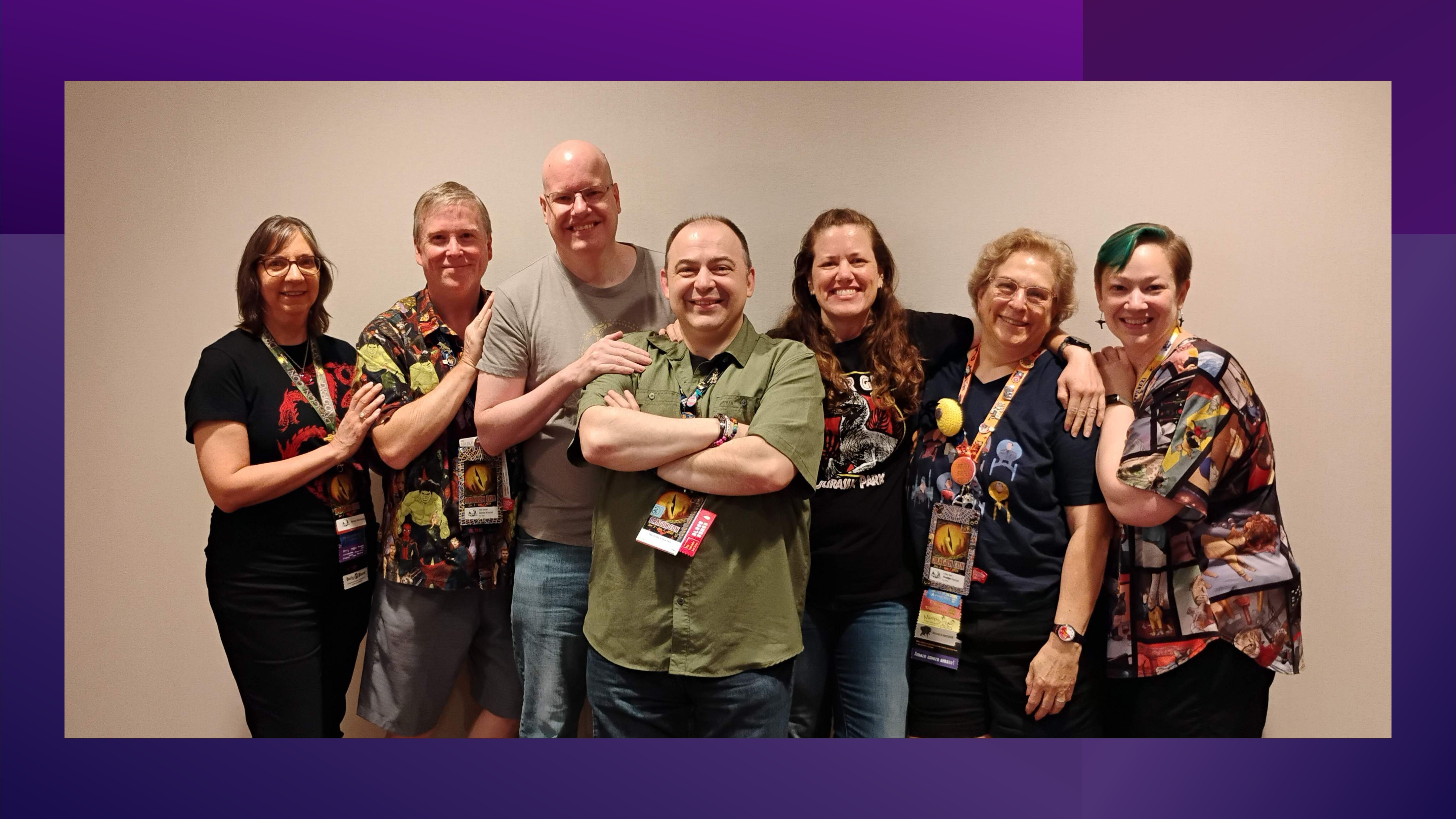
Part One: Geek Family. This was a big year for spending time with our circle of friends. 2026 has been a rough year for many of us, and it comes on the heels of bad hits in 2025 and 2024. Spending time in person with this group bonding over our shared love of what the con has to offer was a balm on the soul that was sorely needed.
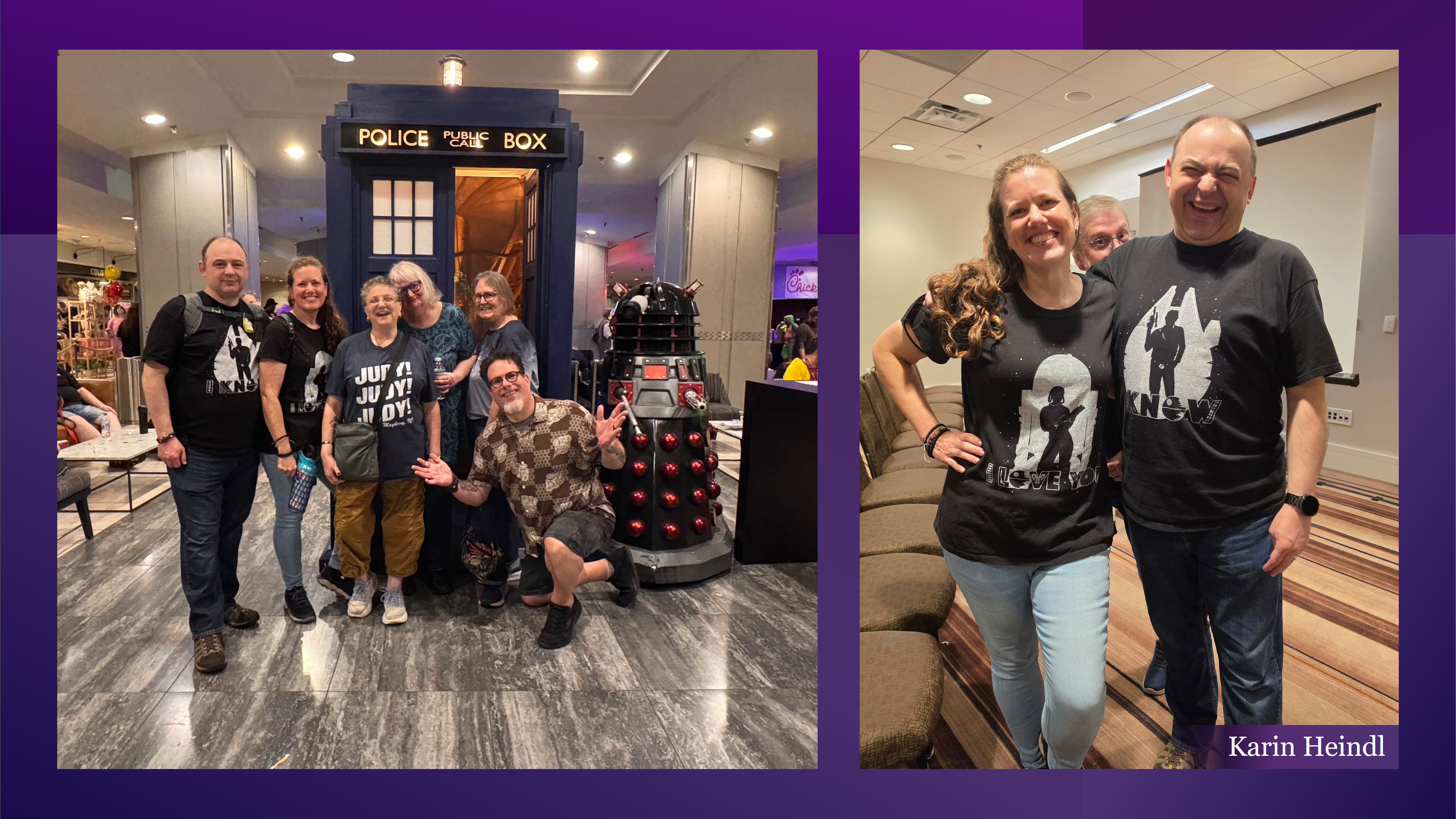
On Wednesday night, we had our annual gathering. We supplemented it with a Sunday night gather where we swapped jokes and stories and even made plans for next year’s shenanigans. It was lovely hanging out with Gary, Sue, Kevin and Felicity, Rachel and James, Kevin, Michael and Rachel, Shaun and Laura, and Keith and Wrenn. I got a hug and quick hello from ToniAnn and Kyle, and more hugs with happy hijinks from Lindy, Dan, Kevin, Wendy, and Karin.
I caught up with Bethany ever so briefly and got to meet her mother, a Dragon Con newbie who had a blast. We also spent a lot of time this weekend with Mike and Judy (back from a short Dragon Con break) and Barbara and Mary.
We spent a lot of time with these folks this year, though it never seems like enough. It’s important to catch up, celebrate our victories, and commiserate over our defeats. When I say that I’m tired, part of it is the walking and the talking, but the other part is letting this sense of belonging and camaraderie wash across me. Just living in it and enjoying it while it lasts.
Our larger group didn’t get a picture together this year. We need to remember that for next time.
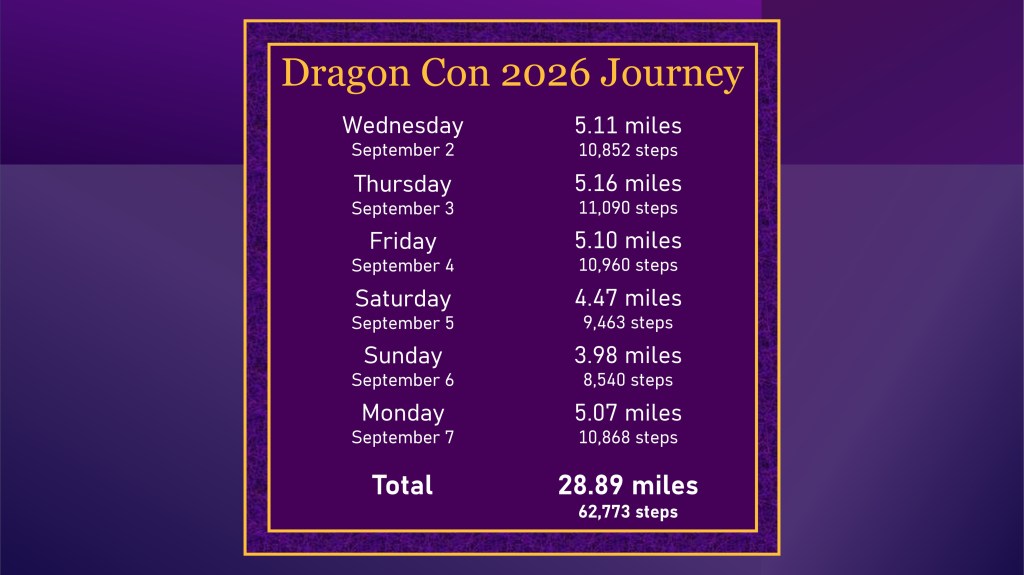
Part Two: The Dragon Con Exercise Program. I routinely rack up 30-35 miles each year, which is an easy way to meet the Dragon Con Hustle 5k. It’s a great donation to charity in exchange for a unique medal, which was video game themed this time around. This year gained me another 29 miles in walking the streets of Atlanta.
My feet are pretty tired. I think it’s time to break in my new shoes.
353 days until Dragon Con 2027.
If you want to attend next year, Dragon Con 2027 will be held from September 2 to September 6, 2026. Badges and on sale now and hotel rooms will be coming soon. If you’re new to Dragon Con, I recommend joining Dragon Con Newbies for additional tips and tricks to enhance your experience.
I recommend it at least once. It can be immense and overwhelming, but there’s nothing quite like Dragon Con.
Culture on My Mind Dragon Con Report 2026 #10: Tiki Pop Artists September 3, 2026
One of the ways that I like to prep for Dragon Con is by listening to the Dragon Con Report podcast. Brought to you by the ESO Network, the podcast is a monthly discussion on all things Dragon Con that counts down to the big event over Labor Day weekend in Atlanta, Georgia.
The show is hosted by Michael Gordon, Jennifer Schleusner, and Channing Sherman, and it delivers news, notes, tips, and tricks for newbies and veterans alike. The Dragon Con Newbies community has a great relationship with the show and the network.
In the tenth episode for 2026, the team gets one last round in a bonus show from their sister show, 3 Grog Night. That show is hosted by Mike, Jen, and Jonathan, and with this dip into the archives they chat with three artists who will all be at Dragon Con this year. Enjoy these clips from Justin Peterson, Jeff Granito, and Shag as you get those bags packed.
The show can be found in video form on YouTube and in audio on the official website and wherever fine podcasts are fed. The Dragon Con Report channels can be found on Facebook, Instagram, and YouTube. You can catch their shows live on those platforms or on demand on their website.
Culture on My Mind is inspired by the weekly Can’t Let It Go segment on the NPR Politics Podcast where each host brings one thing to the table that they just can’t stop thinking about.
Culture on My Mind Dragon Con Report 2026 #9: The Big Damn Dragon Show! September 2, 2026
One of the ways that I like to prep for Dragon Con is by listening to the Dragon Con Report podcast. Brought to you by the ESO Network, the podcast is a monthly discussion on all things Dragon Con that counts down to the big event over Labor Day weekend in Atlanta, Georgia.
The show is hosted by Michael Gordon, Jennifer Schleusner, and Channing Sherman, and it delivers news, notes, tips, and tricks for newbies and veterans alike. The Dragon Con Newbies community has a great relationship with the show and the network.
In the ninth episode for 2026, it is last call before Dragon Con! Mike, Jen, and Channing chat with DJ Nemesis to prep for parties with dragon DJs into the wee hours, Dave West from the popular Big Damn Game Show, and Karen and James Henson from the Military Sci-Fi Media Track.
Get ready for the big show with the last bit of pre-con coverage from the Dragon Con Report. If you’re coming to Atlanta this year, I look forward to seeing you at con!
The show can be found in video form on YouTube and in audio on the official website and wherever fine podcasts are fed. The Dragon Con Report channels can be found on Facebook, Instagram, and YouTube. You can catch their shows live on those platforms or on demand on their website.
Culture on My Mind is inspired by the weekly Can’t Let It Go segment on the NPR Politics Podcast where each host brings one thing to the table that they just can’t stop thinking about.
Culture on My Mind Roll-A-Panel ’86 & ’96: From Aliens to Scream! September 1, 2026
The Roll-a-Panel is a hallmark of the Dragon Con American Sci-Fi Classics Track. Using revolutionary convention panel technology, highly trained nerds cram twenty discussions into one panel of pop culture entertainment.
Usually in celebration of anniversaries, twenty topics are added to a twenty-sided die. When the D20 is rolled, the topic is chosen for five minutes of shenanigans. It’s a hoot to watch (and partake in), and now it’s digital!
On August 26th, Gary Mitchel and Joe Crowe assembled a crew of the regular Classic Track Irregulars to discuss films of 1986 and 1992 as decided by a toss of the die. They also teased events to come at this year’s Dragon Con.
If you will be attending the convention, you can find the Classic Sci-Fi Roll-a-Panel: Movies of 2001 on Monday morning. The custom D20 will be auctioned off after the presentation to support the Dragon Con charity drive.
These Classic Track Quarantine Panels are hosted by Gary Mitchel and Joe Crowe, the diabolical masterminds behind the Dragon Con American Sci-Fi Classics Track. If you want to play along at home, grab your internet-capable device of choice and navigate the world wide webs to the track’s YouTube channel and/or the group on Facebook. If you join in live, you can also leave comments and participate in the discussion using StreamYard connected through Facebook, YouTube, and Twitch.
Gary can also be found on A Podcask of Amontillado, a horror-themed podcast that he co-hosts with Erin McGourn.
You can find those discussions and more every other Thursday as the American Sci-Fi Classics Track explores the vast reaches of classic American science fiction.
The episode art each week is generously provided by the talented Sue Kisenwether. You can find her (among other places) on her website Subspace Sue.
Culture on My Mind is inspired by the weekly Can’t Let It Go segment on the NPR Politics Podcast where each host brings one thing to the table that they just can’t stop thinking about.
Culture on My Mind Dragon Con Report 2026 #8: An Interview with Bob Burden August 31, 2026
One of the ways that I like to prep for Dragon Con is by listening to the Dragon Con Report podcast. Brought to you by the ESO Network, the podcast is a monthly discussion on all things Dragon Con that counts down to the big event over Labor Day weekend in Atlanta, Georgia.
The show is hosted by Michael Gordon, Jennifer Schleusner, and Channing Sherman, and it delivers news, notes, tips, and tricks for newbies and veterans alike. The Dragon Con Newbies community has a great relationship with the show and the network.
In the eighth episode for 2026, Jen takes the helm with a casual conversation with legendary comic book creator Bob Burden. Bob is the creator of Flaming Carrot Comics and the Mystery Men. The former won Eisner Awards in 1992 and 2007, and the latter was adapted into the 1999 superhero comedy film of the same name.
Jen and Bob talked in her home tiki bar about his career, his unique approach to comics and storytelling, and his history with Dragon Con.
The show can be found in video form on YouTube and in audio on the official website and wherever fine podcasts are fed. The Dragon Con Report channels can be found on Facebook, Instagram, and YouTube. You can catch their shows live on those platforms or on demand on their website.
Culture on My Mind is inspired by the weekly Can’t Let It Go segment on the NPR Politics Podcast where each host brings one thing to the table that they just can’t stop thinking about.
Culture on My Mind Superman Meets He-Man in a Classic Comics Table Read August 29, 2026
By the power of Krypton!
On April 8, 1982, DC Comics Presents #47 hit store shelves with a tale called “From Eternia — With Death!” This story mixed Superman with the Masters of the Universe as the last son of Krypton was drawn across dimensions to Eternia. There he teamed up with He-Man and Battle Cat to fight Skeletor and Beastman as the evildoers schemed to take over Castle Grayskull.
This tale marked the first time He-Man’s secret identity of Prince Adam was shown. It was published before the He-Man and the Masters of the Universe cartoon premiered, so the stories of Eternia were limited to comic books sold with the Mattel toy line.
On August 12th, Gary Mitchel and Joe Crowe were joined by O. Hai Mark, Nick, Beau, and Michael Bailey for a dramatic reading of this classic crossover adventure.
These Classic Track Quarantine Panels are hosted by Gary Mitchel and Joe Crowe, the diabolical masterminds behind the Dragon Con American Sci-Fi Classics Track. If you want to play along at home, grab your internet-capable device of choice and navigate the world wide webs to the track’s YouTube channel and/or the group on Facebook. If you join in live, you can also leave comments and participate in the discussion using StreamYard connected through Facebook, YouTube, and Twitch.
Gary can also be found on A Podcask of Amontillado, a horror-themed podcast that he co-hosts with Erin McGourn.
You can find those discussions and more every other Thursday as the American Sci-Fi Classics Track explores the vast reaches of classic American science fiction.
The episode art each week is generously provided by the talented Sue Kisenwether. You can find her (among other places) on her website Subspace Sue.
Culture on My Mind is inspired by the weekly Can’t Let It Go segment on the NPR Politics Podcast where each host brings one thing to the table that they just can’t stop thinking about.